#PromptEngineering
57 articles tagged with #PromptEngineering
Prompt Engineering for Beginners: A Practical Guide
A comprehensive guide to prompt engineering for beginners: a practical guide — written for learners at every level.
20 ChatGPT Prompts to Boost Your Productivity
Great prompts share four parts: role, task, context, and format — here are 20 ready-to-use prompts for daily work.
Prompt Engineering: Get Better Results from Any LLM
The difference between a mediocre AI output and an excellent one is usually the prompt. This guide covers the techniques that consistently produce better results: clarity, context, examples, chain-of-thought, system prompts, and output formatting — with real before/after examples.
Prompt Engineering in 2026: Techniques That Actually Work
Discover the prompt engineering techniques that reliably improve AI output in 2026, from clear instructions and examples to structured reasoning and evaluation.
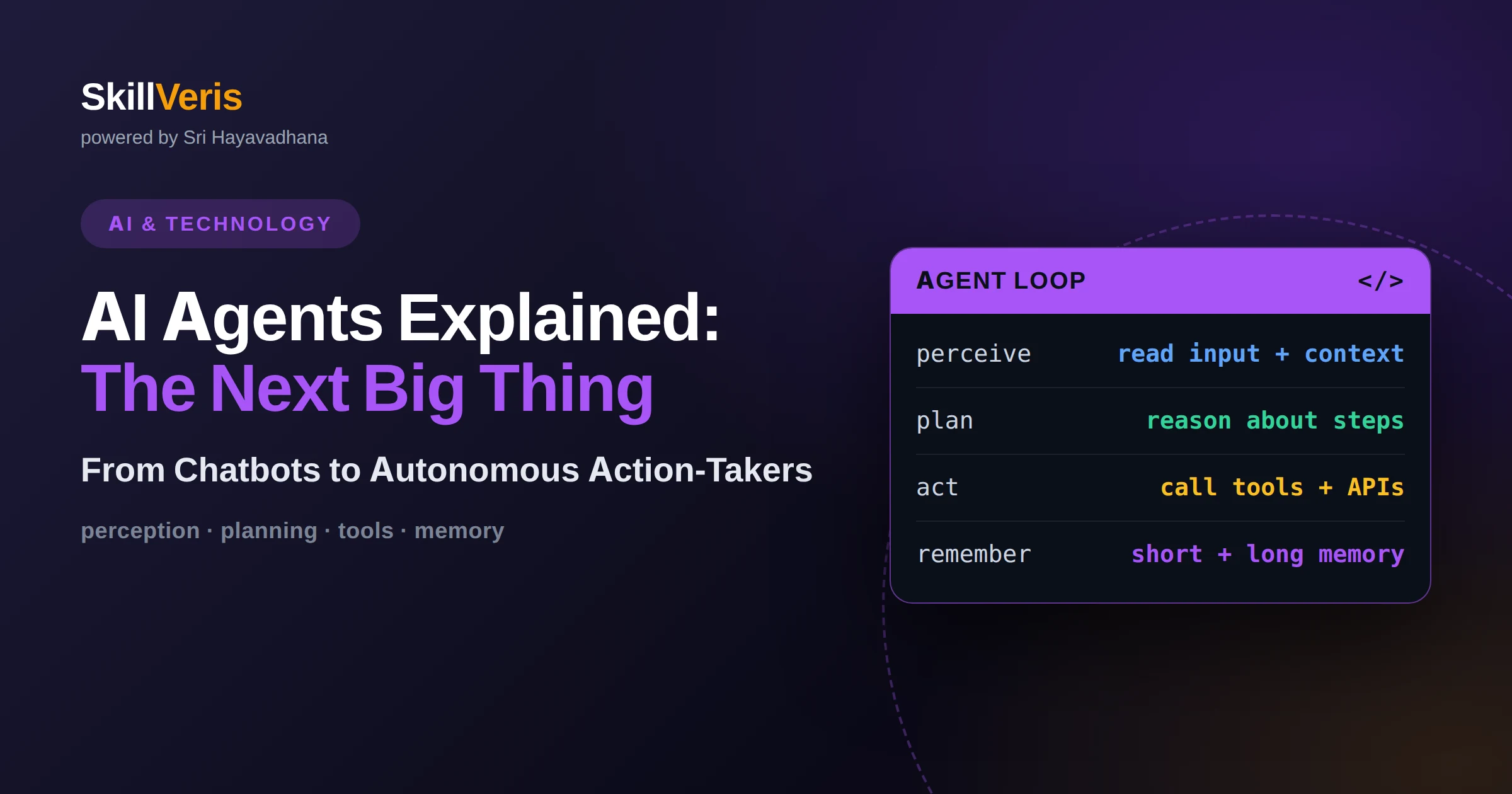
AI Agents Explained: How Agentic Workflows Work
Understand what AI agents are, how agentic workflows plan and use tools to complete multi-step tasks, and when to choose an agent over a simple prompt.
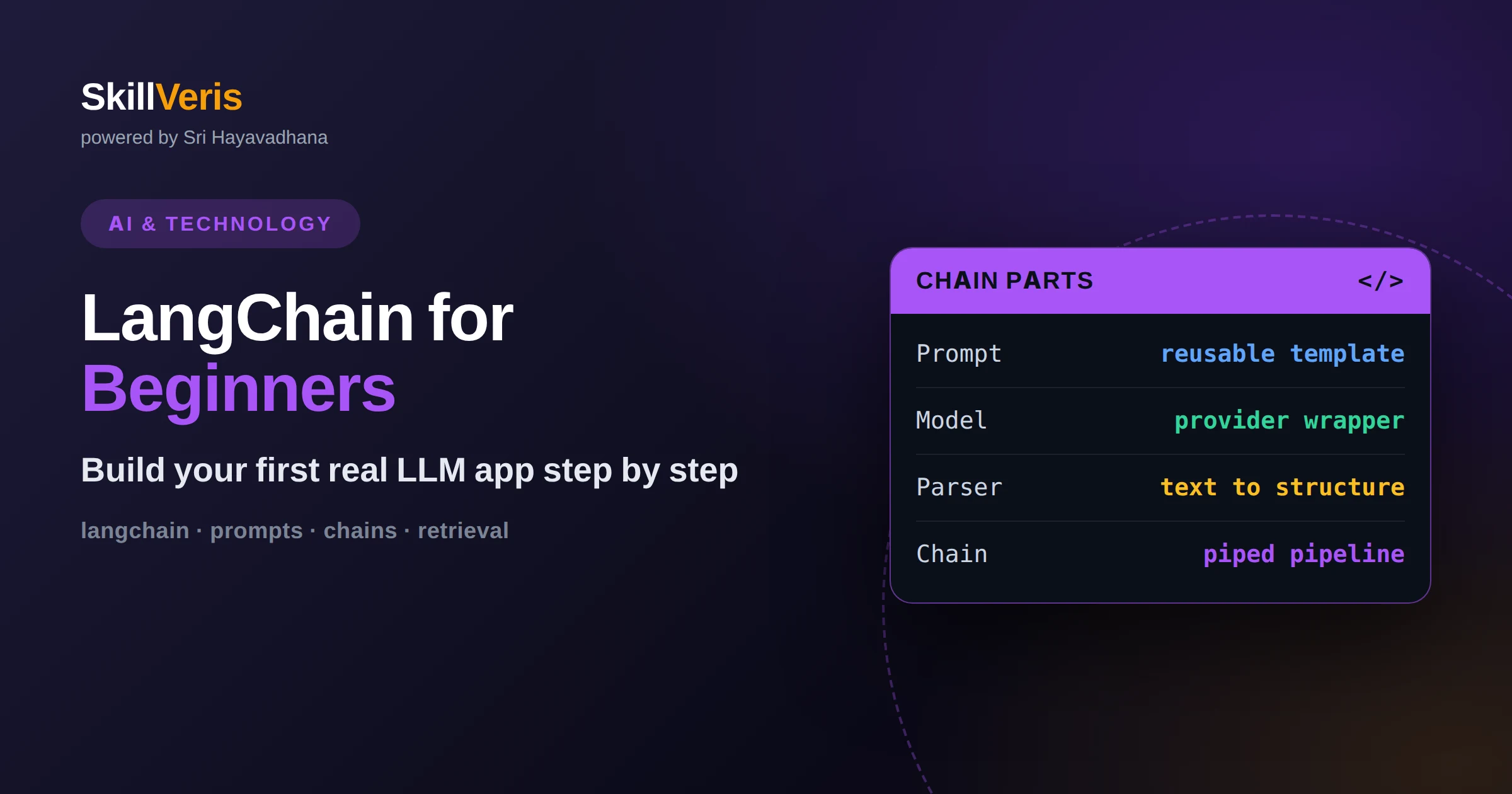
LangChain for Beginners: Build Your First LLM App
LangChain is a framework that connects language models to prompts, your data, and tools so you can build real LLM apps fast. Here is how to start today.
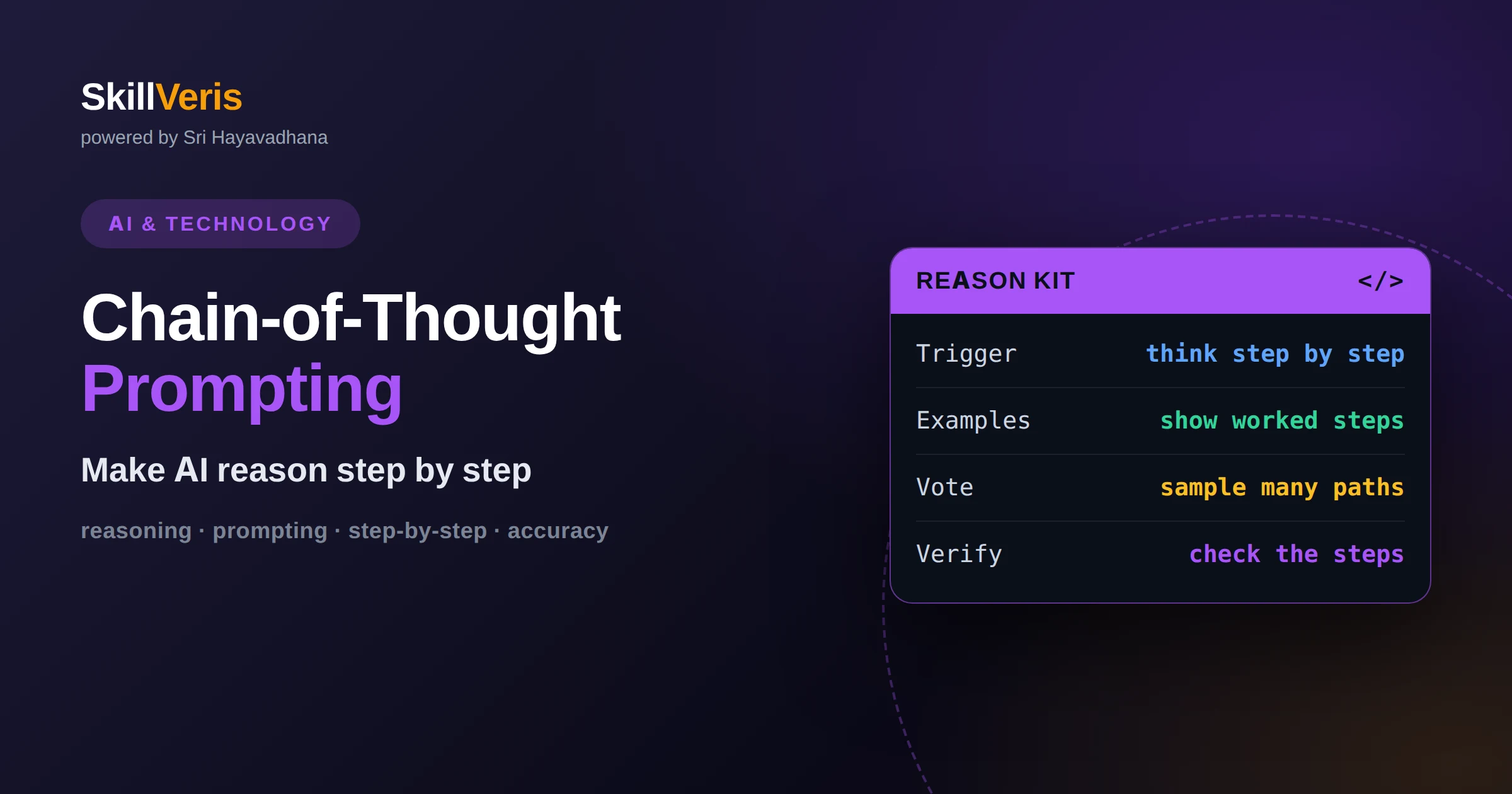
Chain-of-Thought Prompting: Make AI Reason Better
Chain-of-thought prompting asks a model to reason step by step before answering, which improves accuracy on problems that need multiple stages of logic.
What Is Prompt Chaining and When to Use It
Prompt chaining splits a big task into a sequence of smaller LLM calls, where each step's output feeds the next. Learn how it works and when to use it.
How to Build a Chatbot With an LLM API
Build a chatbot by calling an LLM API with a system prompt and message history, streaming responses, managing context, and adding tools for real capabilities.
What Is Chain-of-Thought Prompting?
Chain-of-thought prompting asks an LLM to reason step by step before answering, which noticeably improves accuracy on math, logic, and multi-step problems.
How to Build a RAG Pipeline Step by Step
Build a RAG pipeline in six steps: load documents, chunk them, embed and store the chunks, retrieve by similarity, assemble a grounded prompt, and generate a cited answer.
What Is Prompt Injection and How to Prevent It
Prompt injection tricks an LLM into ignoring its instructions by hiding malicious commands in user or retrieved text. Learn how the attack works and how to defend against it.
What Is a System Prompt and Why It Matters
A system prompt is the hidden instruction that sets an LLM's role, rules, and tone before any user message. It shapes every response and anchors consistent behavior.
What Is Zero-Shot vs Few-Shot Learning
Zero-shot learning asks a model to perform a task with no examples; few-shot gives it a handful in the prompt. Learn when each works and how to choose.
How to Cut Your LLM API Costs
Cut LLM API costs by trimming prompts, caching, routing to smaller models, and capping output. Here are the highest-impact tactics for lowering your bill.
AI for Data Analysts: Tools That Save Hours
Discover practical AI for data analysts — tools and prompts that cut hours off cleaning, querying, and summarizing data without replacing your judgement.

Using ChatGPT for Data Analysis: A Practical Guide
Learn to use ChatGPT for data analysis with proven prompt patterns, code interpreter workflows, and a clear-eyed view of where the tool fails you.
Prompt Engineering Basics for Data Work
Prompt engineering basics for data work: structure prompts for reliable cleaning, analysis, and SQL, with patterns that reduce errors and hallucinated results.
How to Fine-Tune a Model Without Breaking the Bank
Learn how to fine-tune a model without breaking the bank — when to fine-tune vs prompt or use RAG, plus cheap techniques like LoRA and free ways to start.

What Is ChatGPT? A Practical Guide to the AI Chatbot
ChatGPT is an AI chatbot built on a large language model that generates human-like text from a prompt. This guide explains how it actually works, what it's good at, where it fails, and how to write prompts that get useful answers.

How to Write ChatGPT Prompts That Get Better Answers
Writing better ChatGPT prompts means giving clear context, a specific task, and the format you want the answer in, rather than a vague one-line question. This guide covers the core techniques with practical examples you can reuse.

How to Use ChatGPT to Improve Your Resume
ChatGPT can rewrite bullet points, tighten wording, and tailor a resume to a specific job description, but it works best as an editor rather than the original author of your experience. This guide covers effective prompts and common pitfalls to avoid.
Shipping AI Features: Engineering Practices for LLM Products
Shipping an LLM feature is a delivery lifecycle, not a prompt. You scope the task so success is checkable, build an evaluation set before you tune anything, roll out behind a flag, instrument the funnel, and cap cost per user. This guide walks that lifecycle end to end and names the failure mode at each stage.
The Prompt Engineering Handbook: Patterns That Hold Up
Prompting that survives production falls into four families: instruction patterns that specify the task, exemplar patterns that show it, reasoning patterns that buy accuracy with tokens, and format patterns that make output machine-readable. This handbook explains each family, when it earns its tokens, and how to tell that a prompt has stopped working.
Fine-Tuning Language Models: When, How and On What Data
Fine-tuning is worth reaching for when prompting cannot hold a behaviour reliably — strict output formats, house style, or a latency budget too tight for long instructions. This guide sets out the decision, the method families, the data work that actually determines quality, and how to tell a good run from a wasted one.
Image Generation Systems: From Prompt to Pixels
A modern image generator is three components in a row: a text encoder, a denoiser working in latent space, and a decoder. Learn what each stage does, which setting affects which stage, and how to debug an image that came out wrong instead of rerolling the seed.
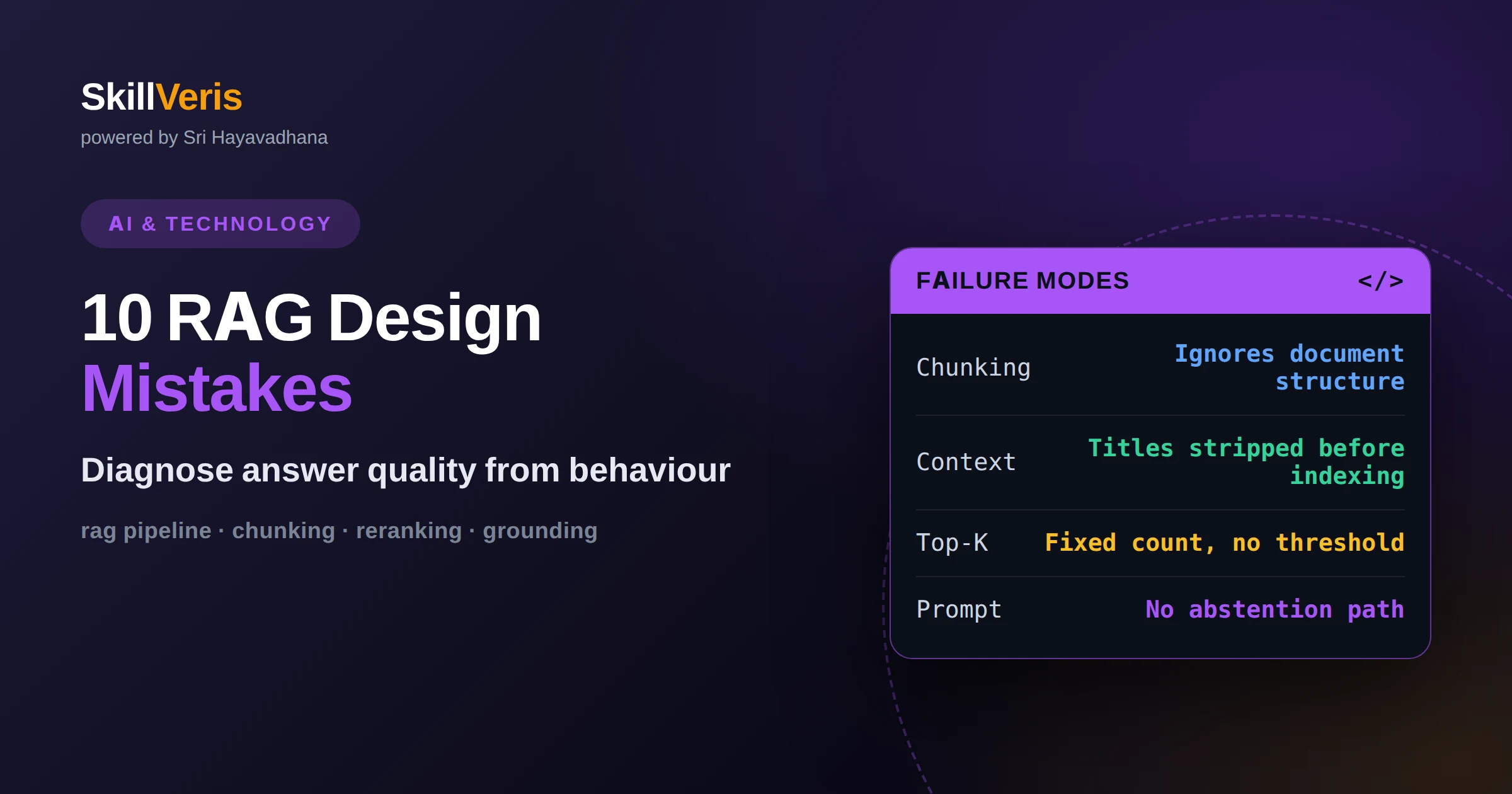
10 RAG Design Mistakes That Quietly Hurt Answer Quality
Most RAG quality problems are design errors, not model errors, and each one produces a recognisable symptom. This walks through ten recurring mistakes — from chunking that severs context to prompts that never tell the model what to do with weak evidence — and names the symptom each produces so you can diagnose from behaviour.
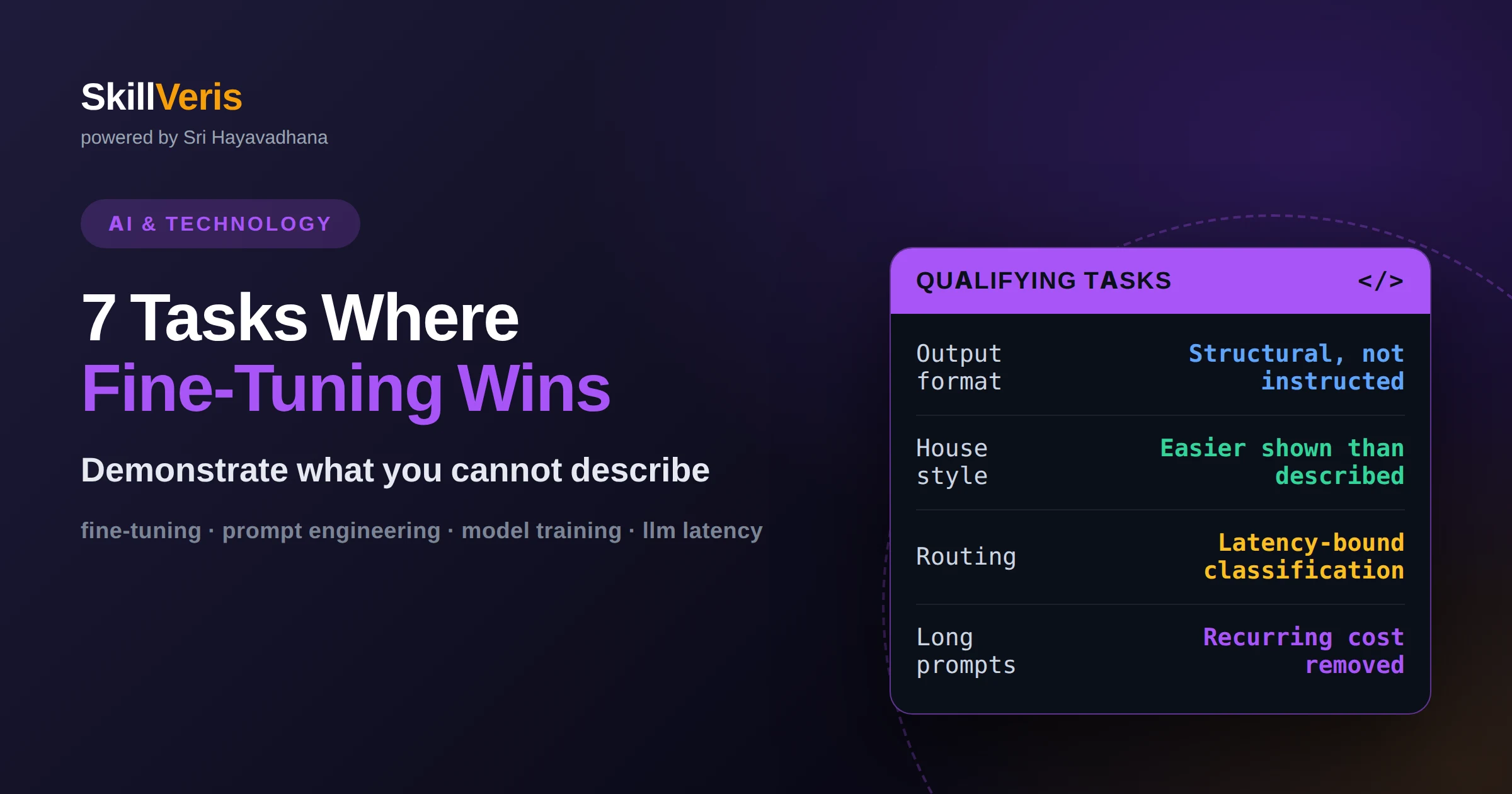
7 Tasks Where Fine-Tuning Beats Prompting
Fine-tuning wins where the behaviour you need is hard to describe but easy to demonstrate, where a long prompt is paid on every call, or where a smaller model must hit a latency budget. This names seven task shapes that qualify, the signals that identify them, and the cases where prompting remains the better answer.
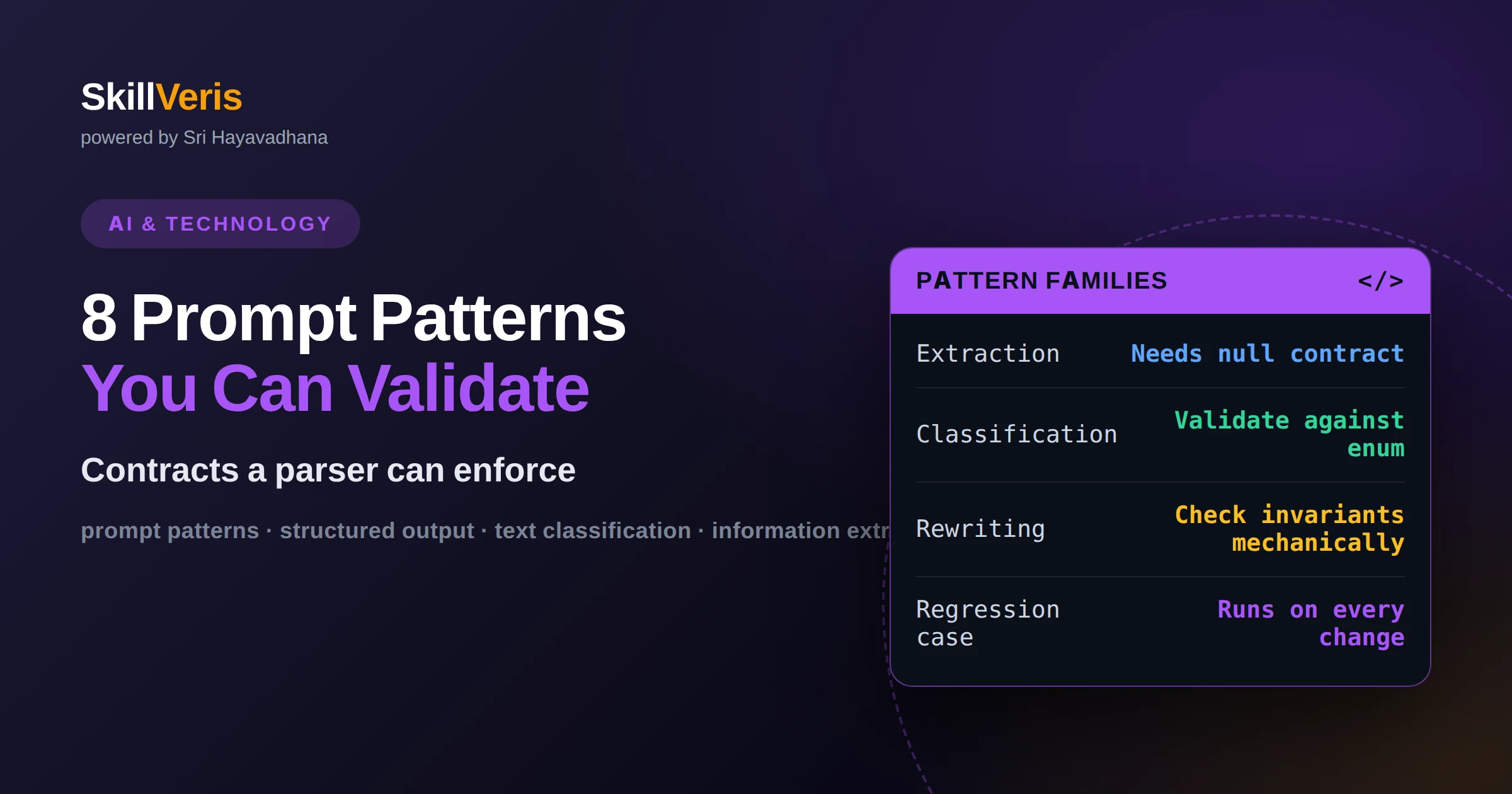
8 Prompt Patterns for Extraction, Classification and Rewriting
Production prompts for extraction, classification and rewriting reduce to eight reusable skeletons. Each has an output contract you can validate in code and a characteristic failure mode you can test for. Learn all eight, the parser that enforces each, and the regression case that catches it when it drifts.
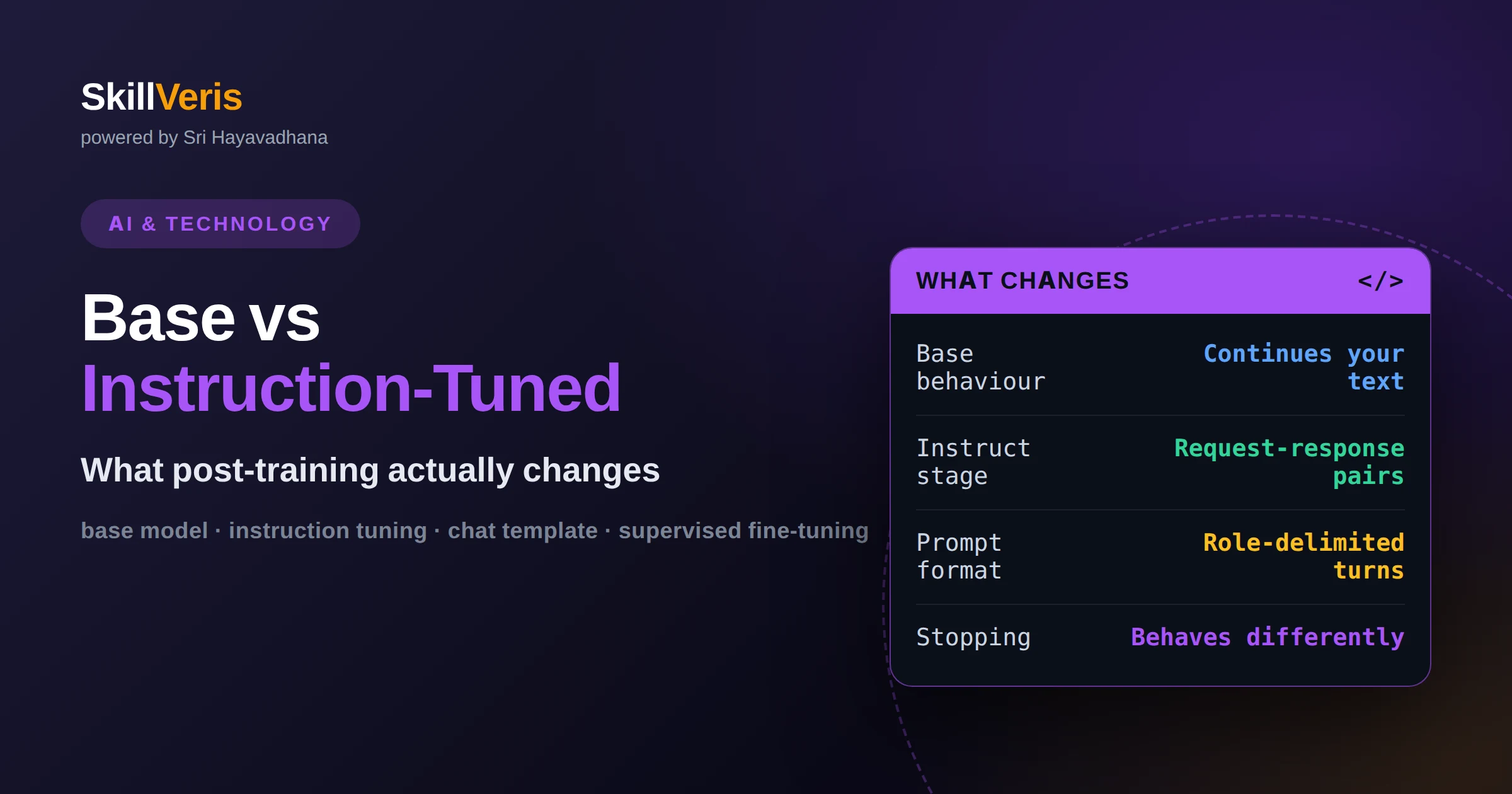
Base Models vs Instruction-Tuned Models: What Actually Changes
A base model continues text; an instruction-tuned model answers requests. The weights differ only by a comparatively small post-training stage, but that stage changes prompt format, stopping behaviour, refusal patterns and output style. This guide shows what actually shifts and when a base checkpoint is still the better starting point.
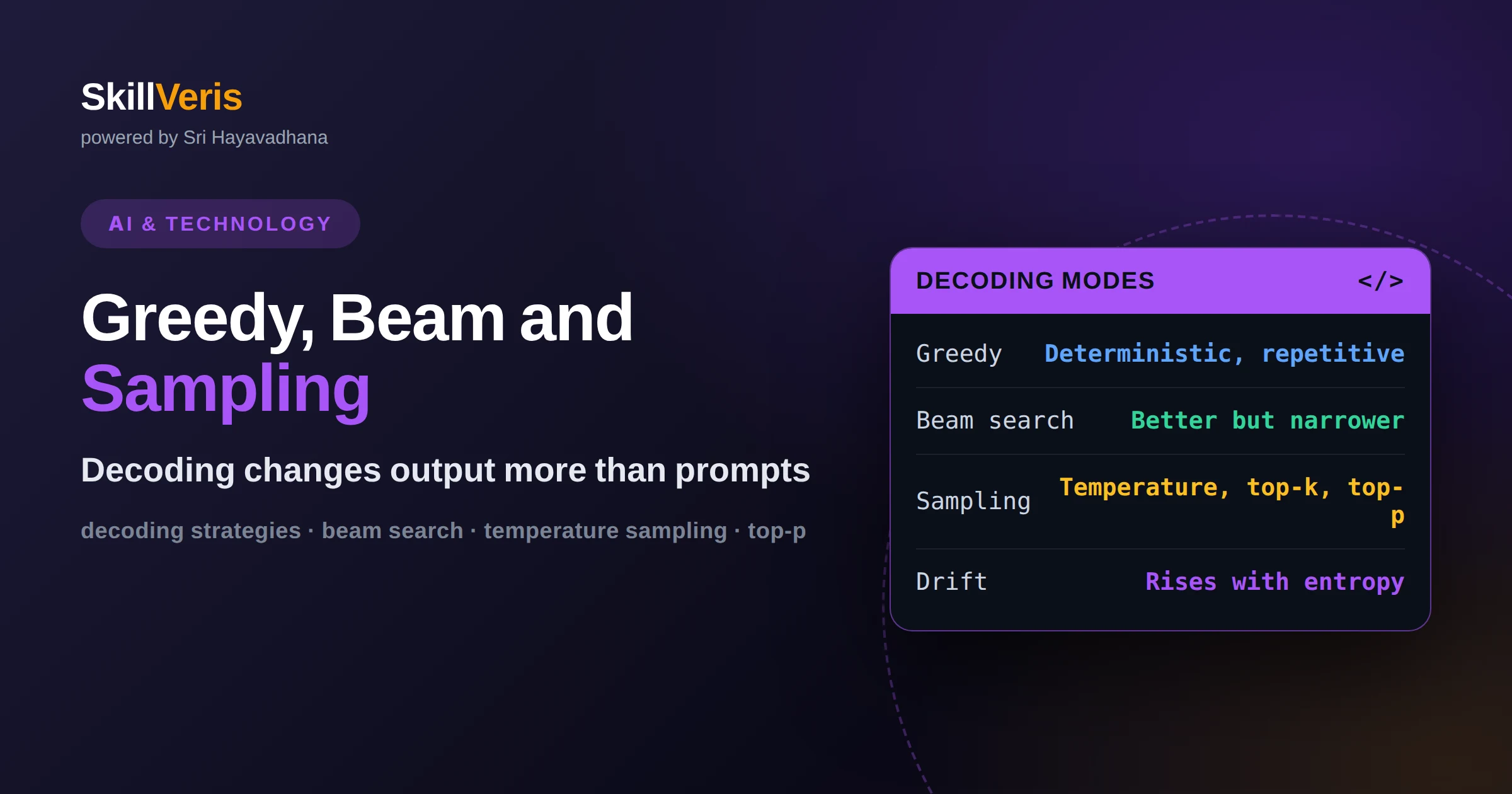
Greedy, Beam Search and Sampling: How Decoding Changes Output
Decoding is the step that turns a probability distribution into text, and it changes output more than most prompt edits do. This article compares greedy, beam search and stochastic sampling on determinism, diversity and factual drift, and names the task types each one suits.
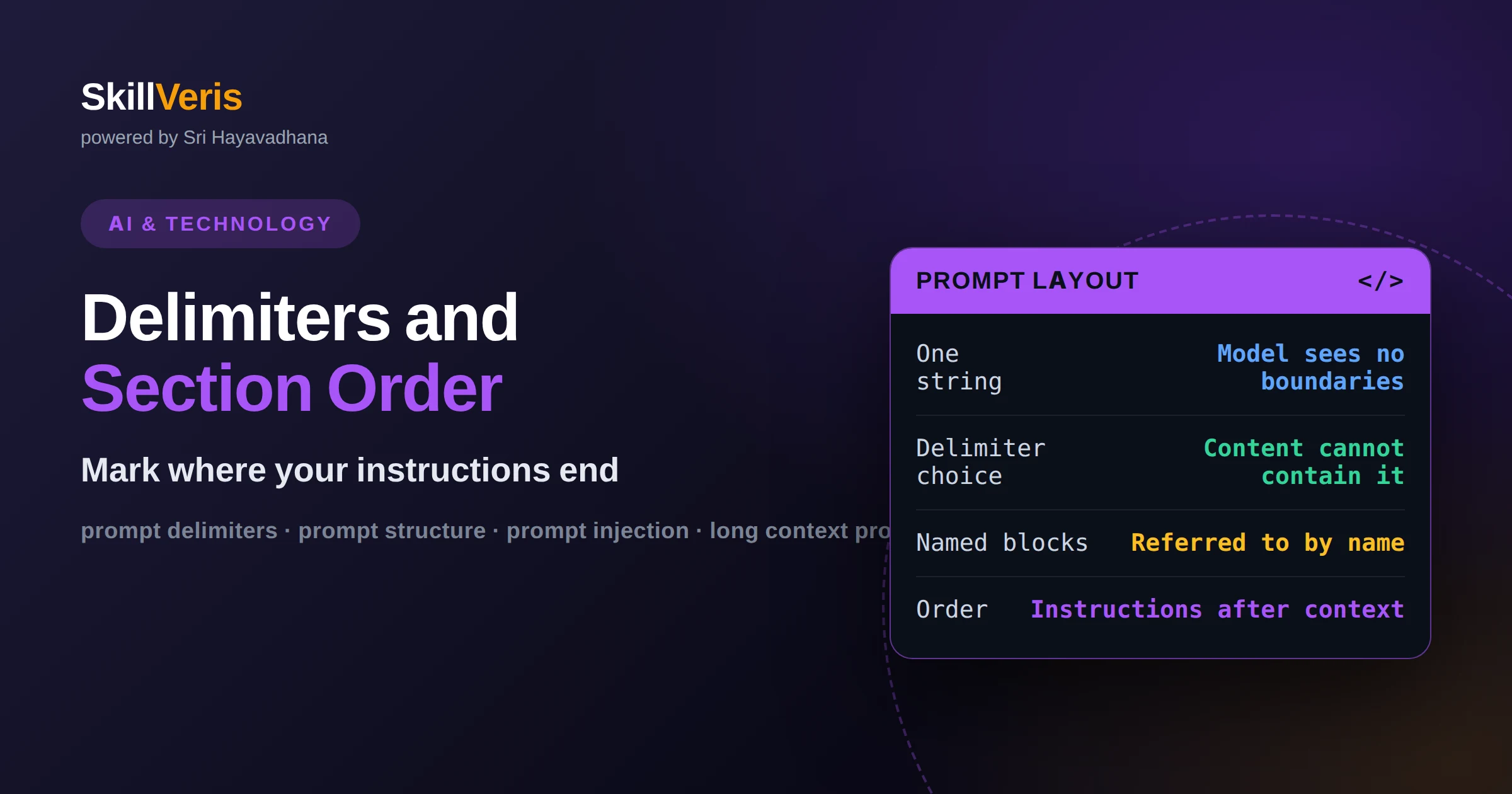
How Delimiters and Section Order Change Prompt Accuracy
Clear boundaries between instruction, context and data reduce the two most common prompt failures: the model treating supplied data as commands, and instructions getting lost in long context. This explains why delimiters work, which ones to choose, and how section order changes what the model attends to.
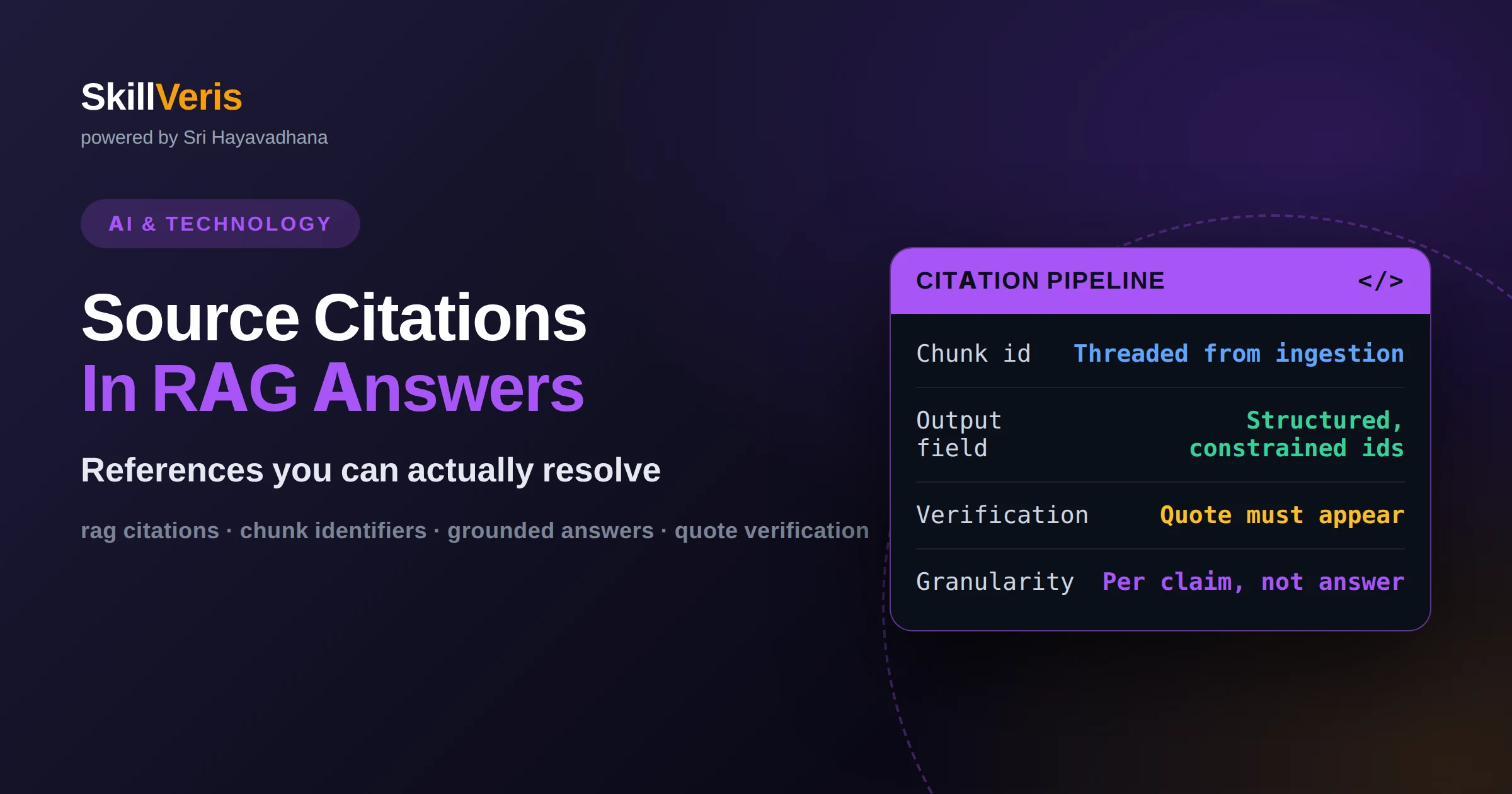
How to Add Source Citations to RAG Answers
Reliable citations come from threading a stable chunk identifier through retrieval into the prompt, asking for it back in a structured field, and then verifying the quoted span actually appears in that chunk. Anything less produces plausible references that point at the wrong document.
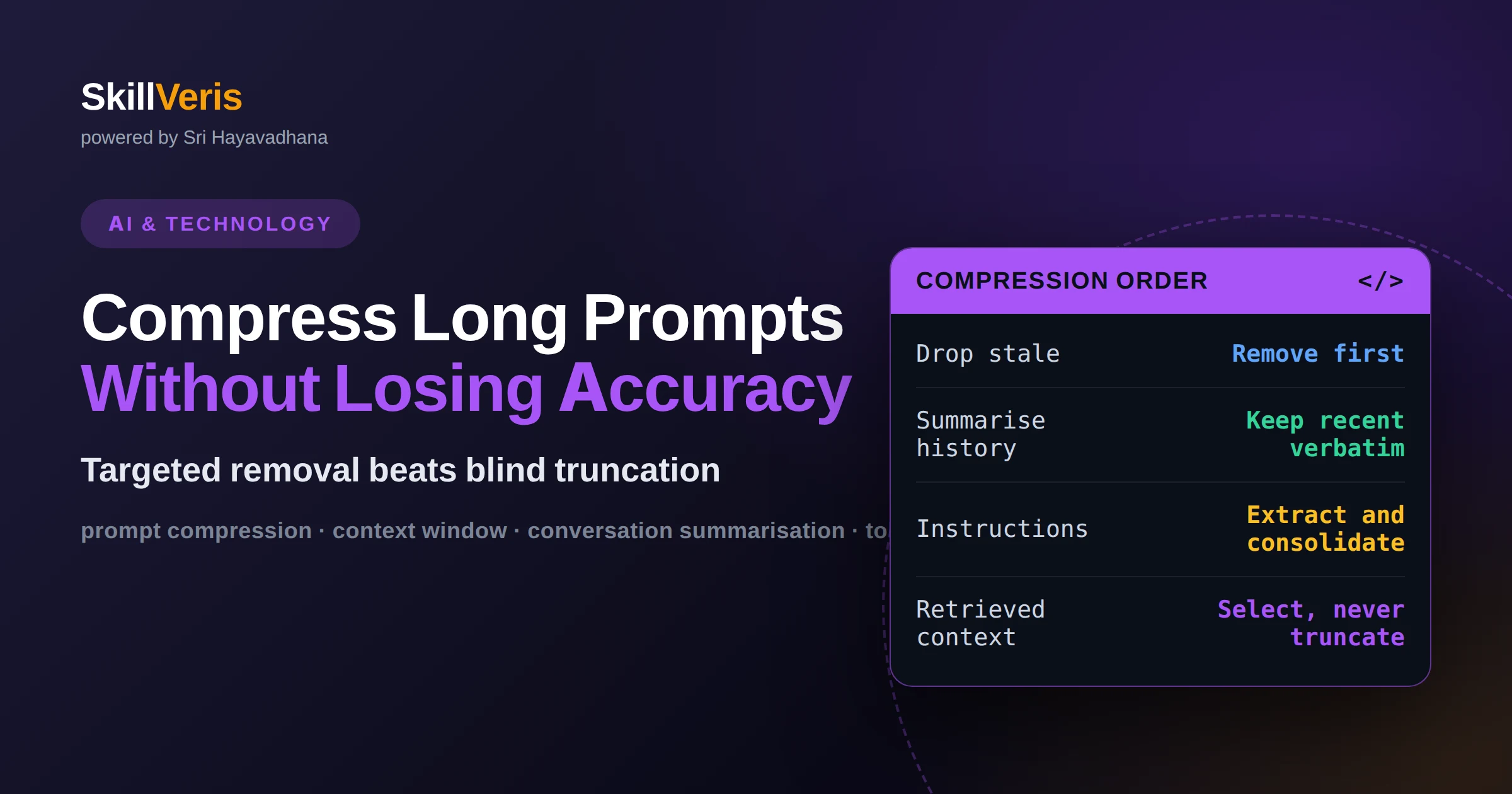
How to Compress a Long Prompt Without Losing Accuracy
Compress a prompt by removing what is stale, summarising what is settled and extracting instructions into a compact block — in that order, measuring accuracy on a fixed question set after each step. Blind truncation is what loses accuracy; targeted removal usually does not.
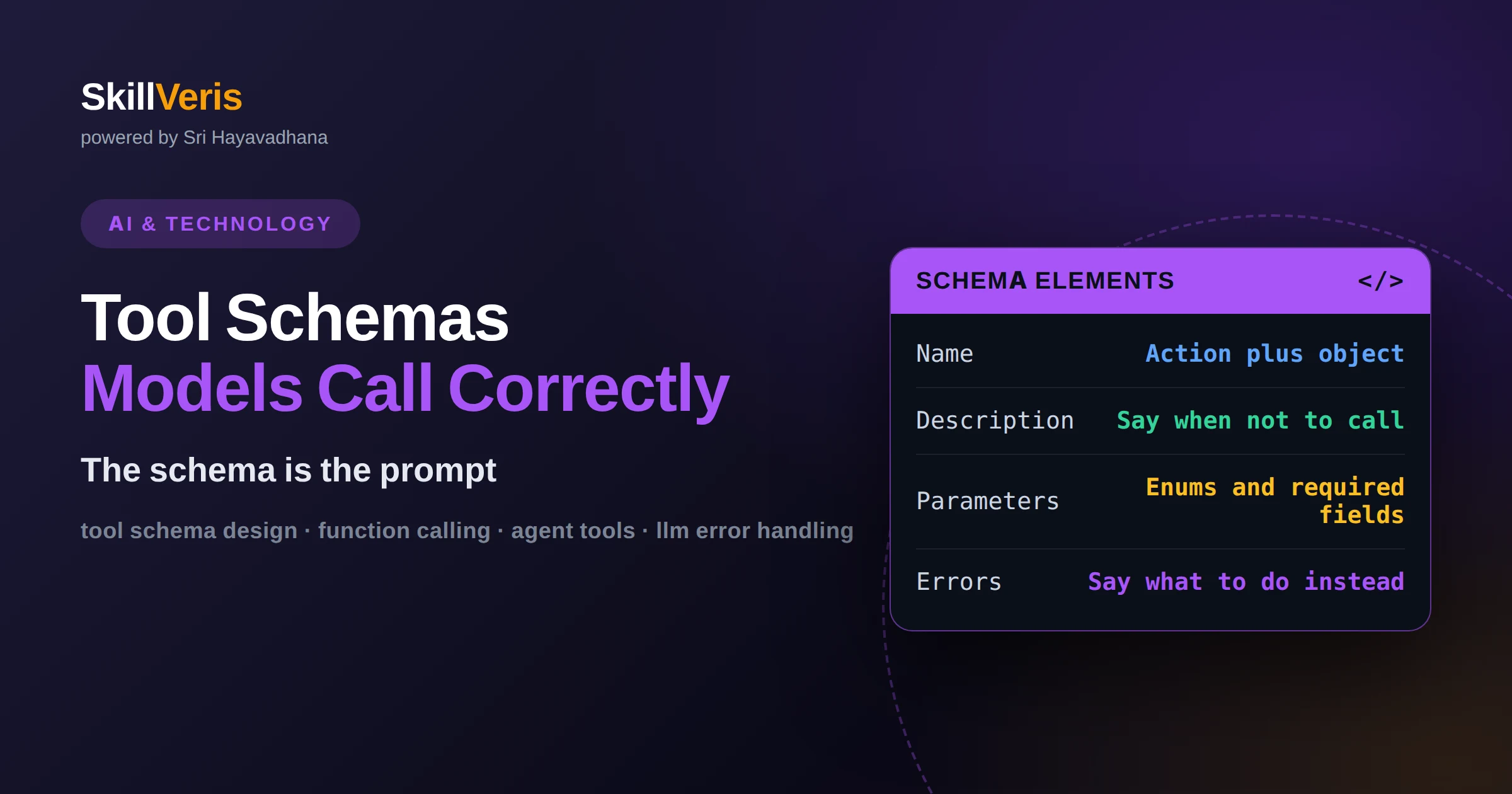
How to Design a Tool Schema an LLM Will Call Correctly
A tool schema is a prompt, not just an interface contract. This shows how to name tools for unambiguous selection, type parameters so wrong values are impossible, write descriptions that say when not to call, and design error messages the model can actually recover from.
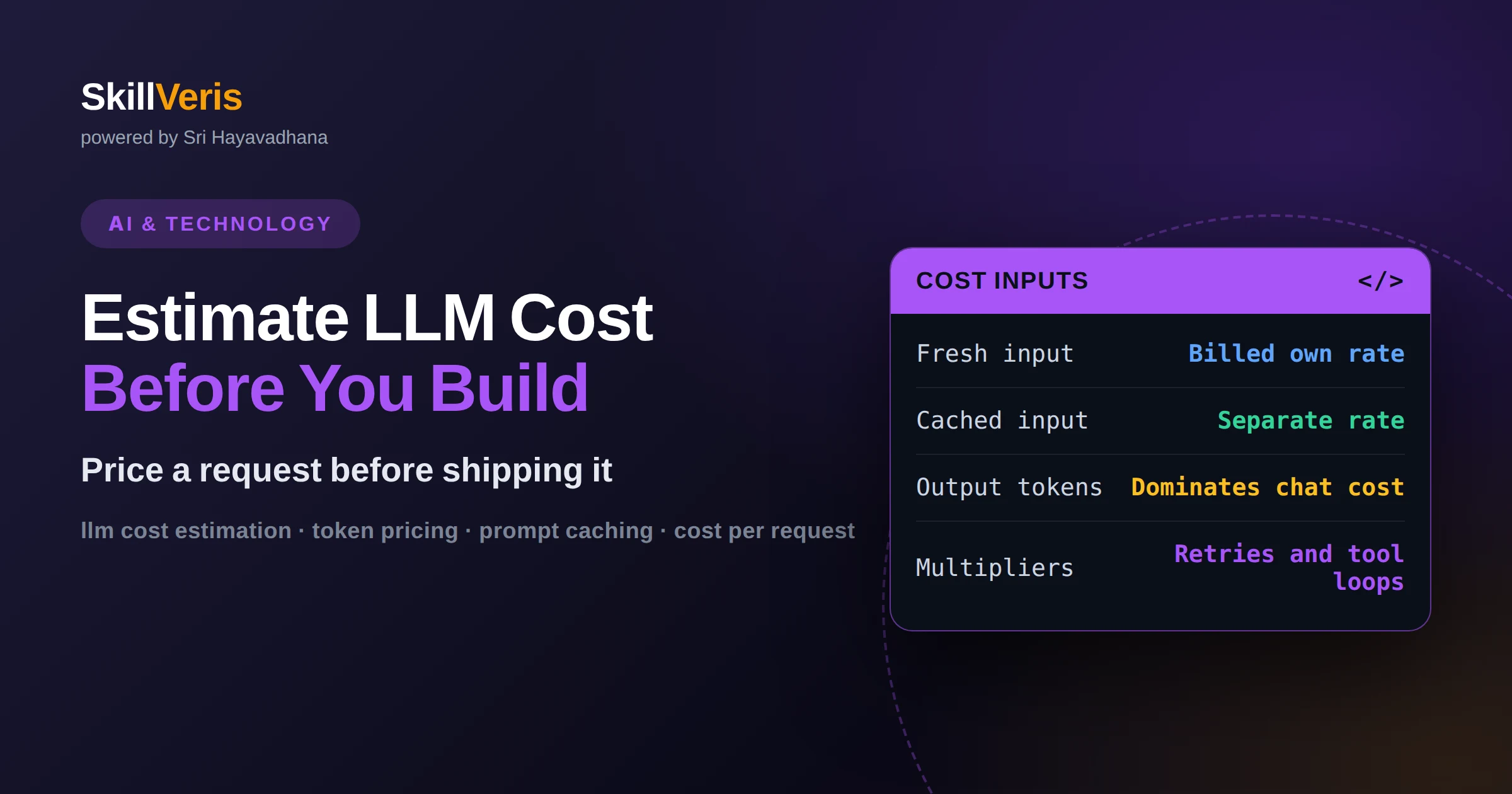
How to Estimate LLM Cost Per Request Before You Build
Estimate a request's cost by counting input tokens, expected output tokens and cached tokens separately, then multiplying each by its own published rate. This article shows how to build that model from a prompt you already have, stress it against realistic traffic, and find the levers that actually move the bill.
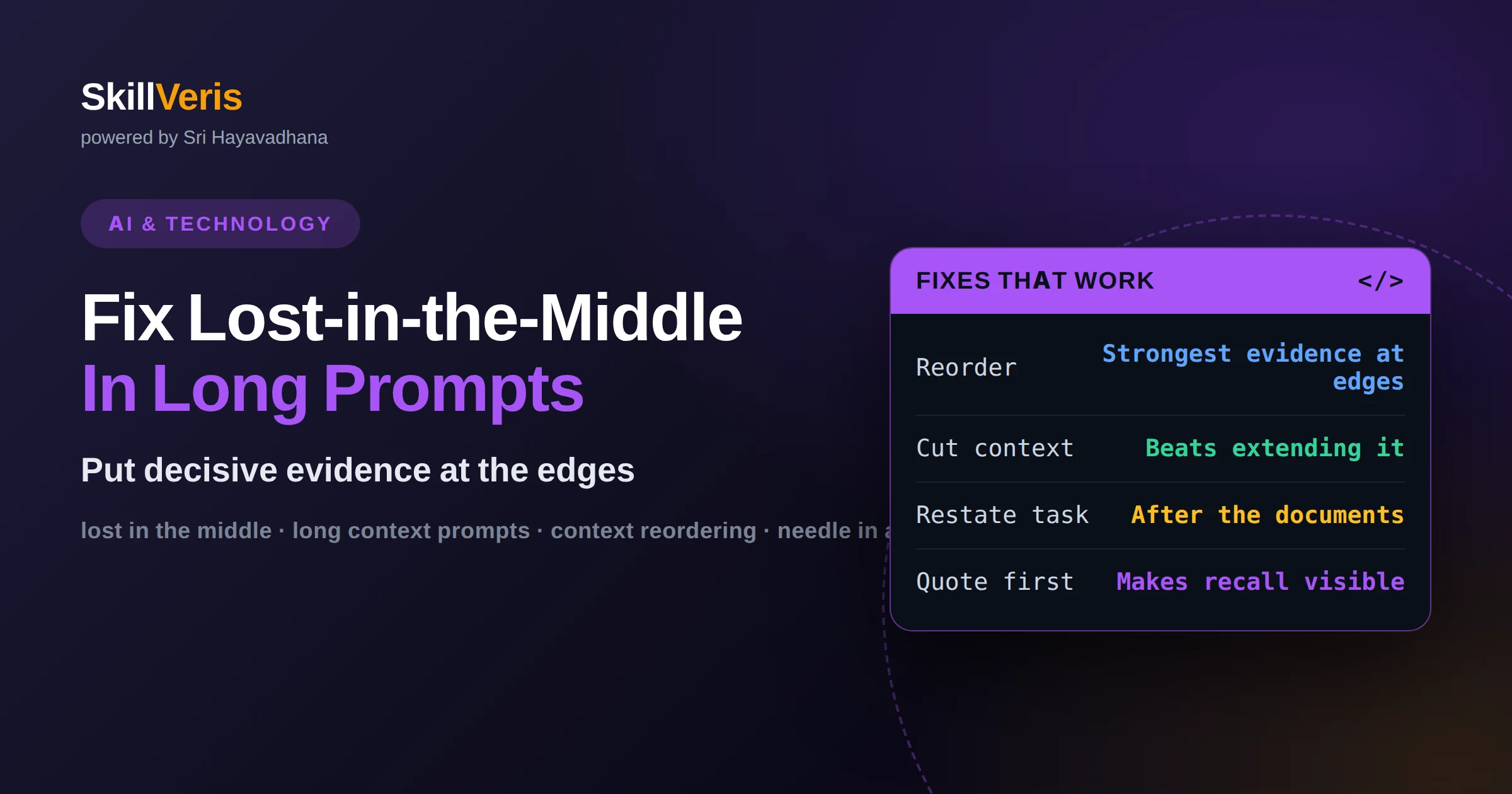
How to Fix Lost-in-the-Middle Failures in Long Prompts
Long-context models recall material at the start and end of a prompt more reliably than material buried in the middle. You fix it by moving the decisive evidence to the edges, cutting the context down to what matters, restating instructions after the documents, and forcing the model to quote before it answers.
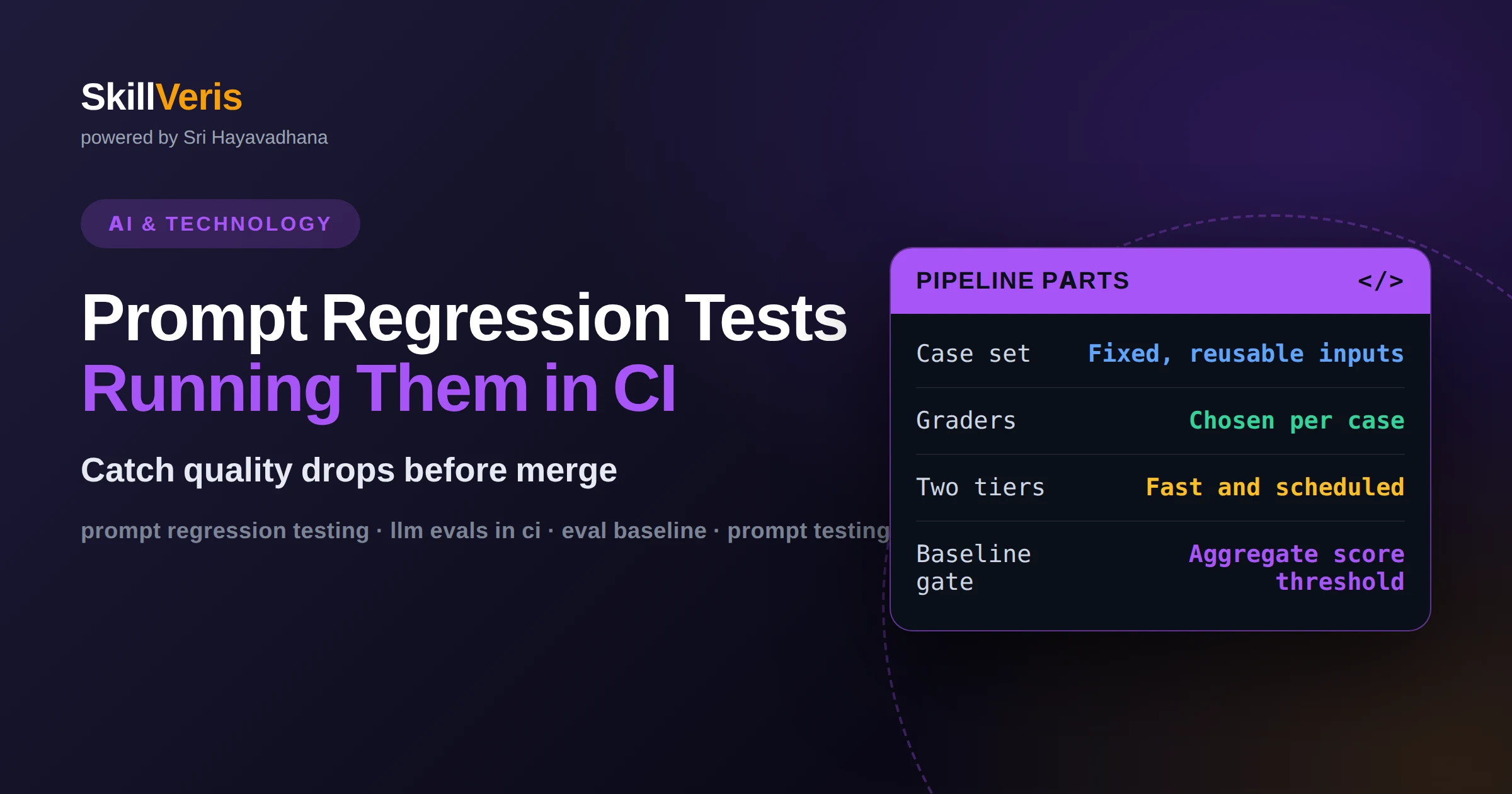
How to Run Prompt Regression Tests in CI
Prompt regression testing means running a fixed case set on every change and failing the build when aggregate scores drop below a stored baseline. This article covers wiring evals into a pipeline, choosing thresholds for non-deterministic output, and keeping the suite fast enough to survive.
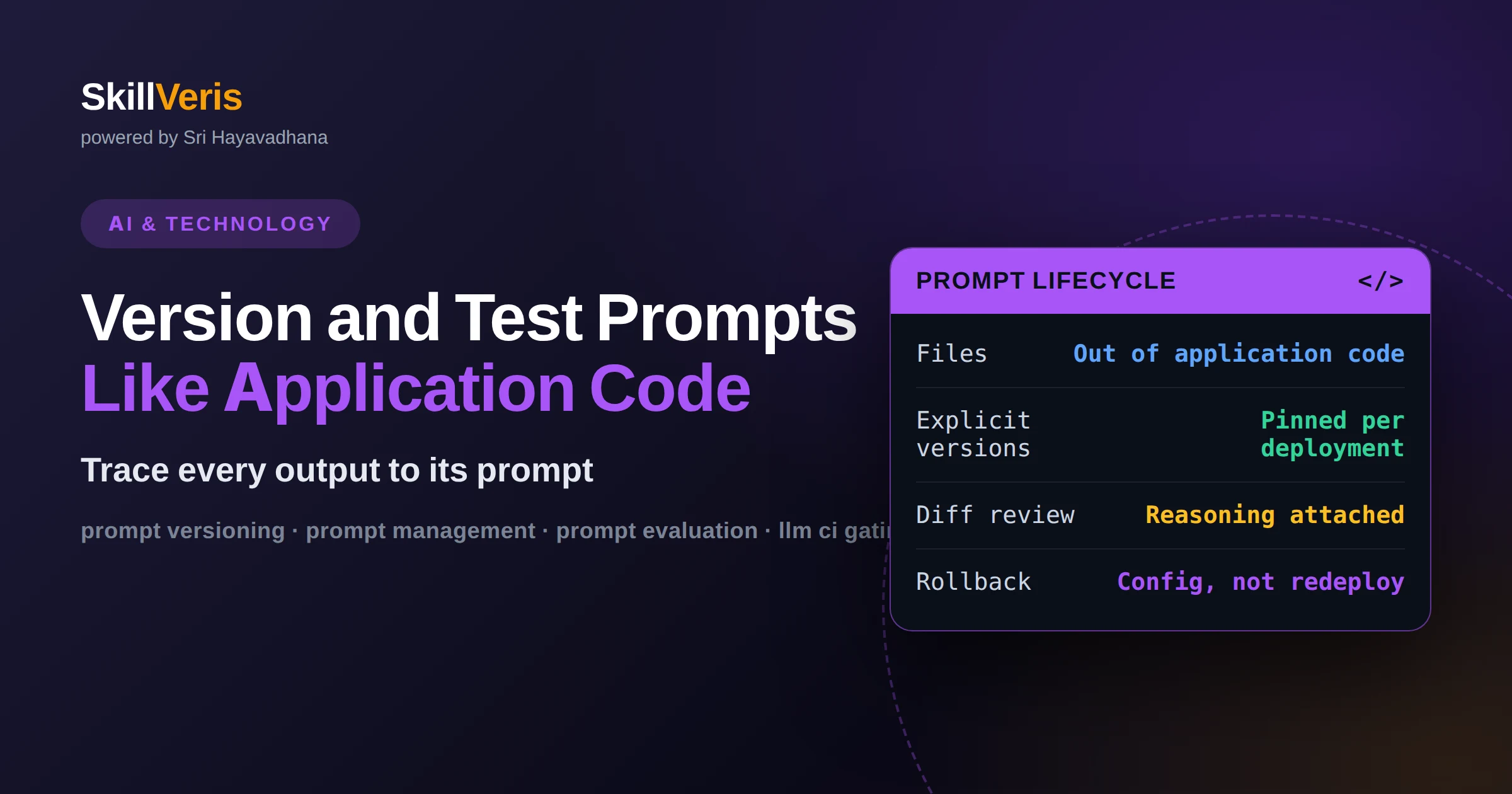
How to Version and Test Prompts Like Application Code
Treat prompts as versioned artefacts: keep them in files under source control, pin the version used by each deployment, review changes as diffs, and gate merges on an evaluation suite. The result is that any output can be traced to the exact prompt that produced it, and any regression can be reverted.
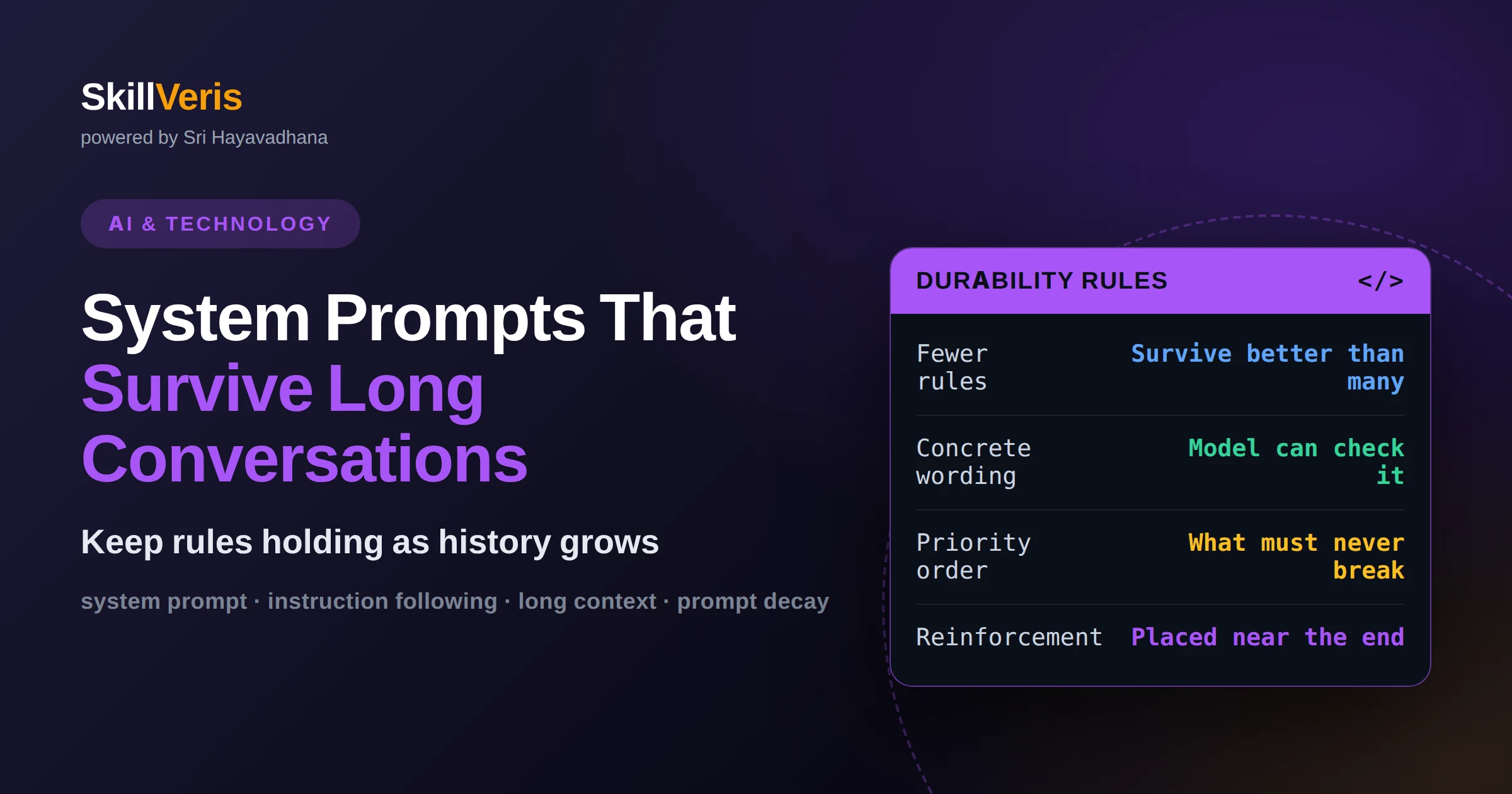
How to Write a System Prompt That Survives Long Conversations
A system prompt survives a long conversation when its rules are few, concrete, ordered by priority and periodically reinforced near the end of context. This covers what degrades first as history grows, how to structure durable instructions, when to restate rules rather than rely on the header, and how to test decay before users find it.
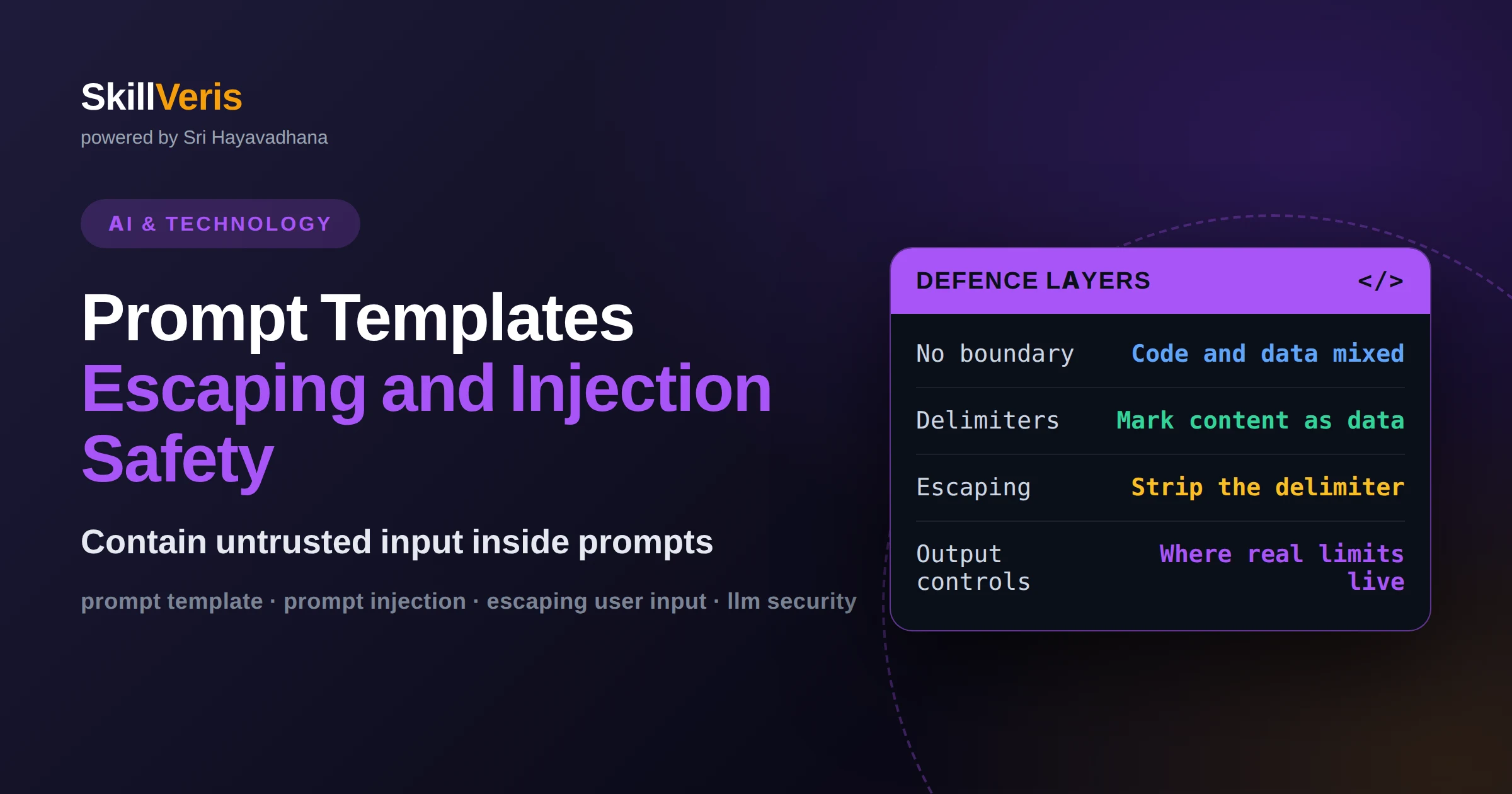
Prompt Templates: Variables, Escaping and Injection Safety
Interpolating user data into a prompt is the same class of problem as building SQL by concatenation, with no equivalent of a parameterised query. This covers delimiting untrusted content, escaping rules that survive real input, template versioning, and validating output rather than trusting instructions.
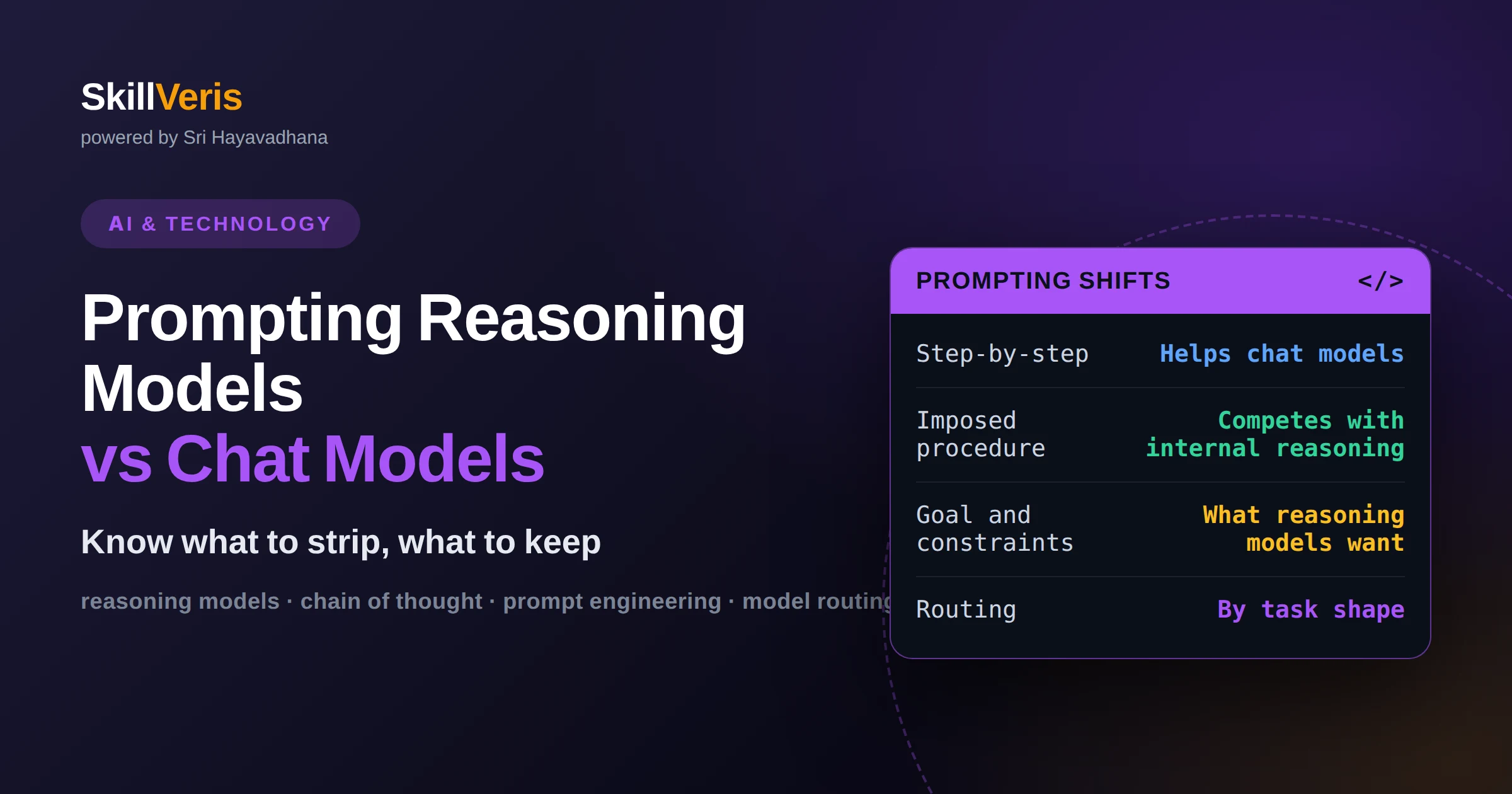
Prompting Reasoning Models vs Standard Chat Models
Reasoning models and standard chat models want different prompts. Scaffolds that reliably improve a chat model — think step by step, numbered plans, worked exemplars — often add nothing to a model that reasons internally and can actively degrade it. Learn what to keep, what to strip, and how to route between the two.
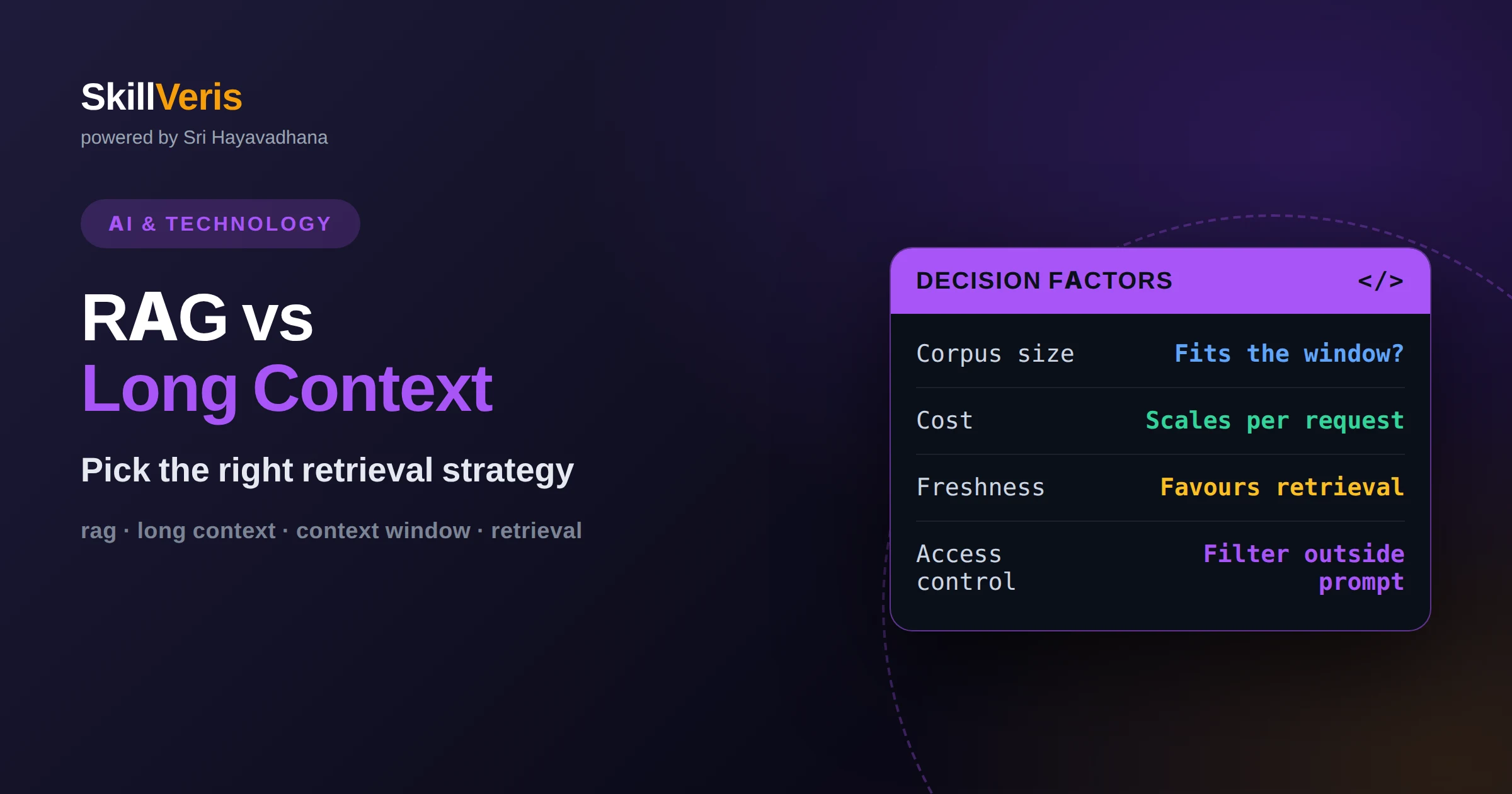
RAG vs Long-Context Prompting: Which to Reach For
Reach for long-context prompting when the relevant material is small, stable and fits comfortably in the window; reach for retrieval when the corpus is larger than the window, changes often, or must be filtered per user. The decision is driven by corpus size, update rate and cost per request, not by which approach is newer.
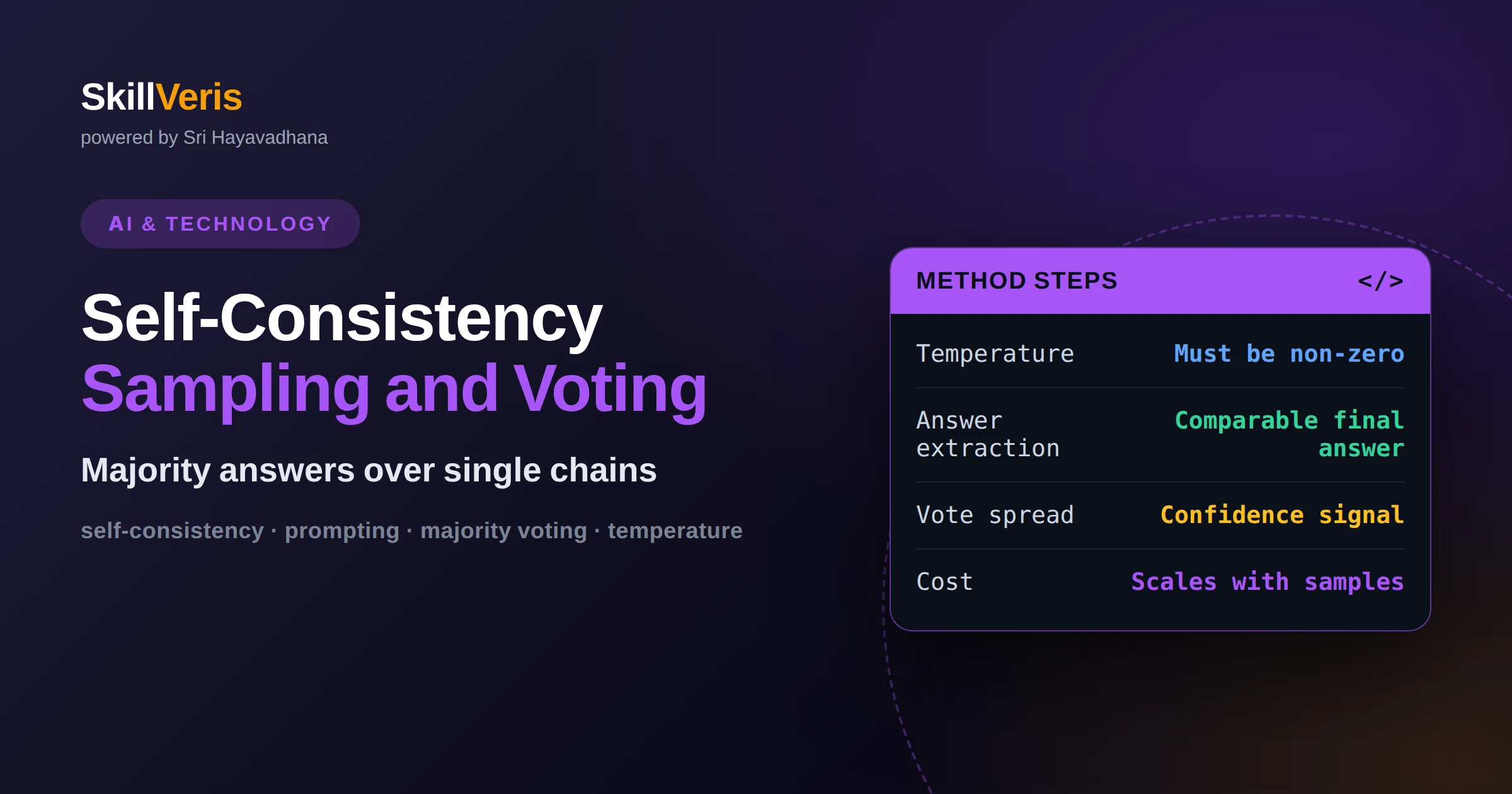
Self-Consistency Prompting: Sampling Answers and Voting
Self-consistency samples the same reasoning prompt several times at a non-zero temperature and takes the majority answer rather than trusting one chain. This covers when the technique helps, how to extract and compare answers reliably, the cost multiplier it imposes, and when a cheaper approach wins.
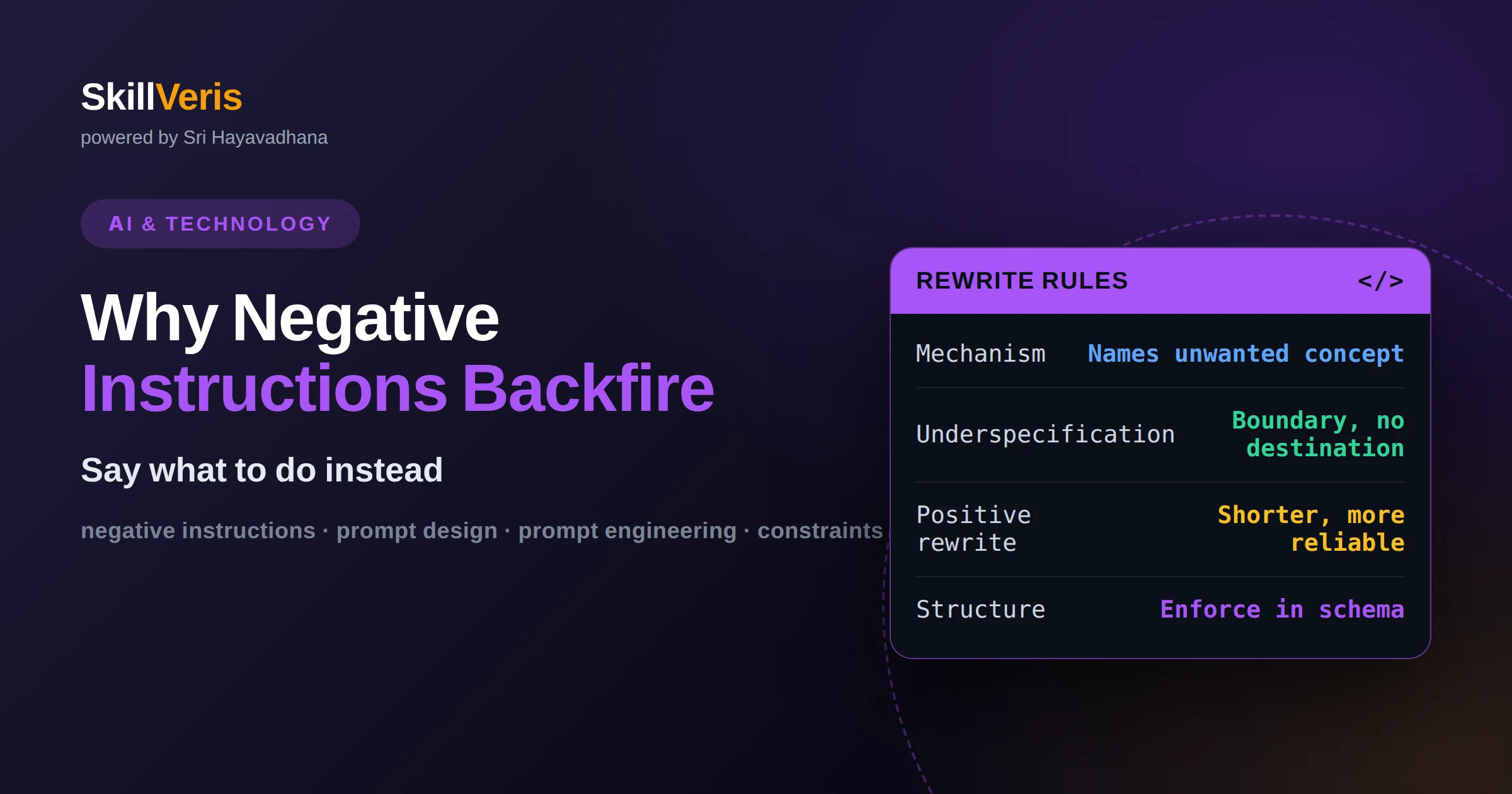
Why Negative Instructions Backfire in Prompts
Telling a model what not to do puts the unwanted concept into its context, where it competes with the behaviour you actually want. This article explains why prohibitions underperform, how to rewrite each common one as a positive specification, and when a negative instruction is still the right call.
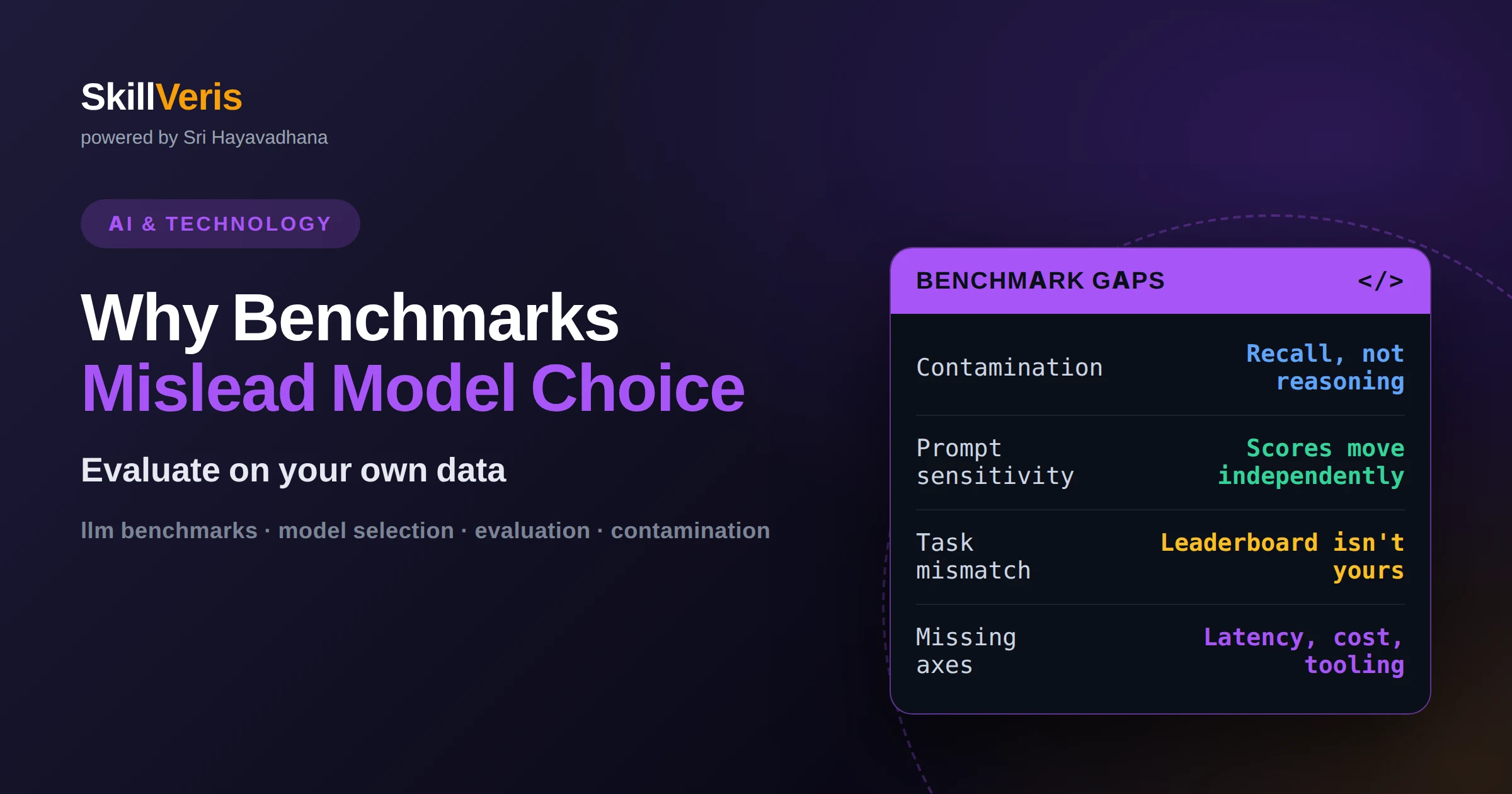
Why Public Benchmarks Mislead When You Choose a Model
Public benchmarks measure performance on tasks that are not yours, using prompts you will not use, on data that may already sit in the training set. They are useful for narrowing a shortlist and almost useless for choosing between the finalists — a small evaluation on your own data settles that faster.
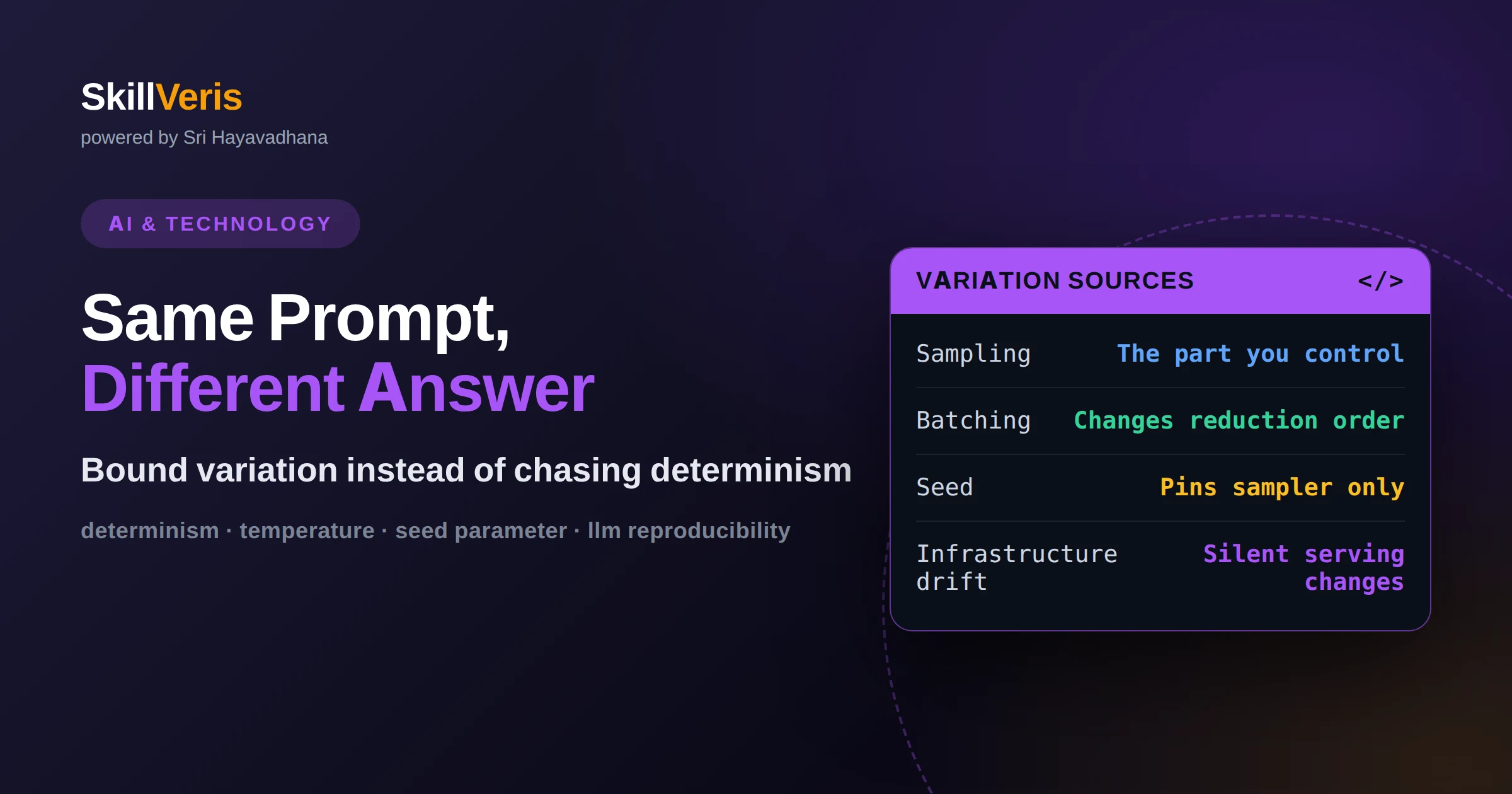
Why the Same Prompt Returns a Different Answer Each Time
Identical prompts diverge for three separate reasons: sampling picks different tokens, server-side batching changes floating-point reduction order, and infrastructure shifts underneath you. Only the first is fully in your control, so the practical goal is not determinism but bounding variation and testing for behaviour rather than exact strings.
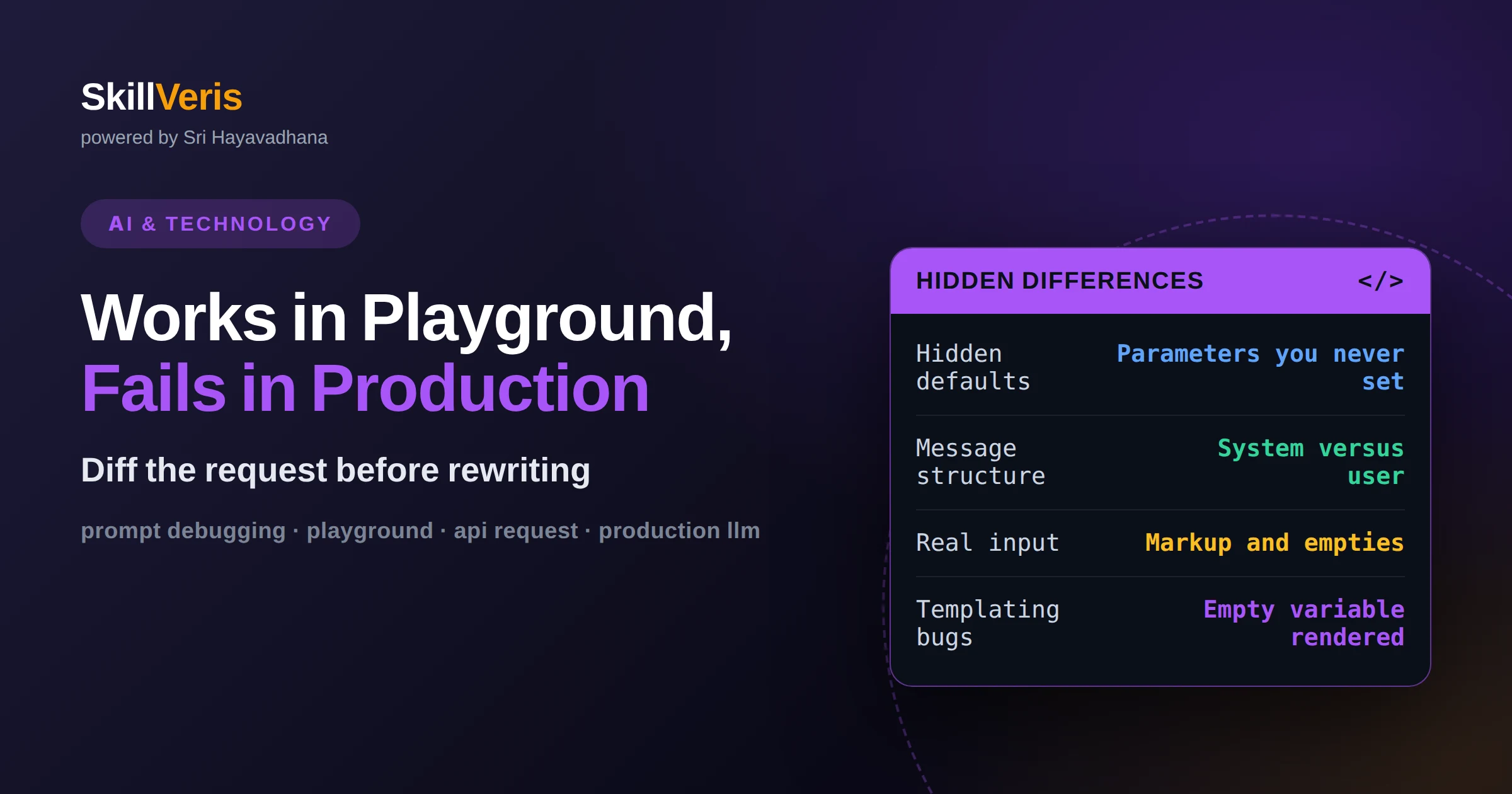
Why Your Prompt Works in the Playground but Fails in Production
The playground and your application send different requests. Hidden system messages, different default parameters, a different message structure and hand-cleaned inputs all change behaviour. Diff the raw request bodies first, then handle the input variety that a playground never shows you.
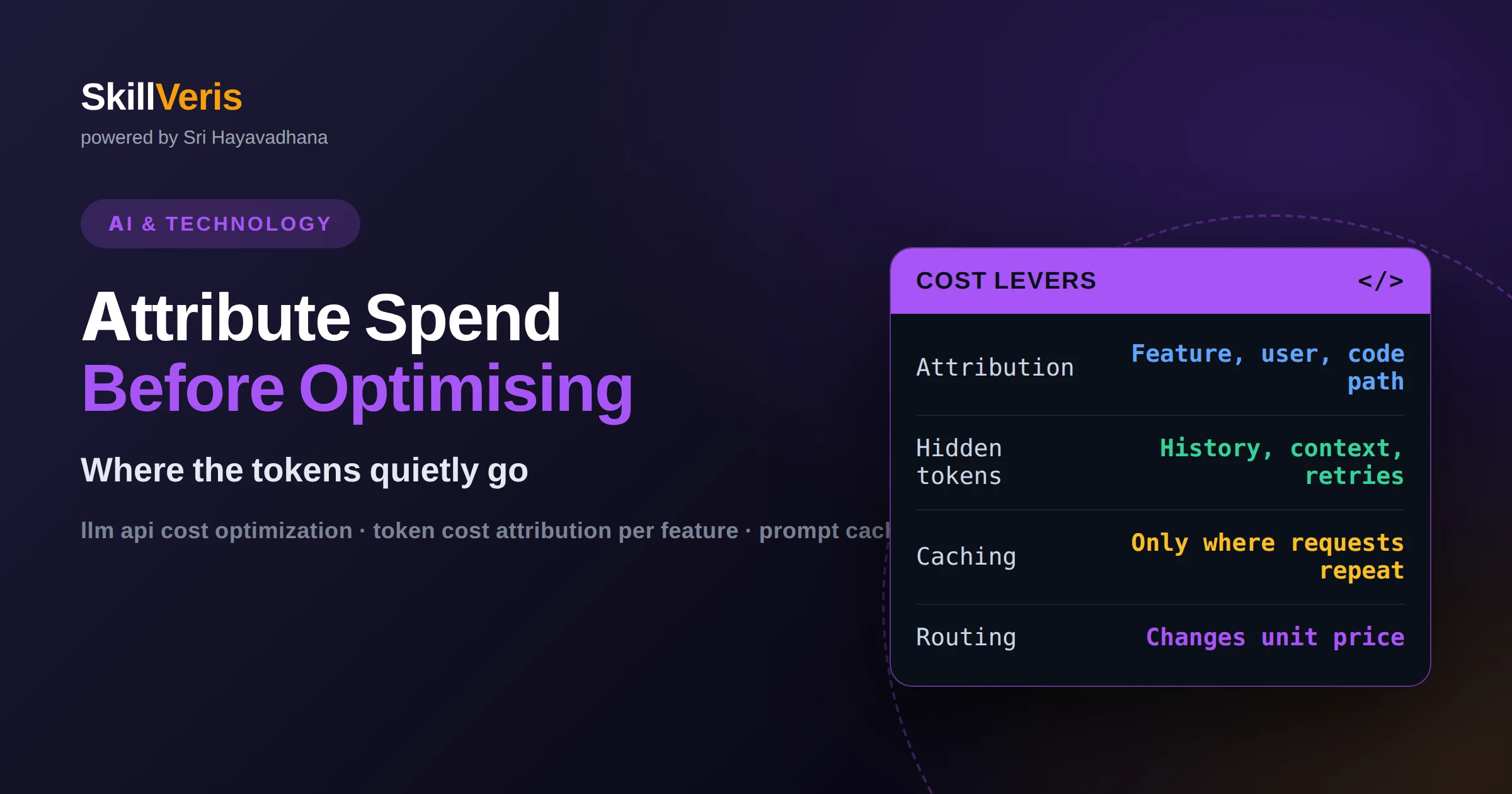
Controlling LLM costs in production: attribution, caching and budgets
You cannot control spend you cannot attribute. Learn per-feature cost accounting, then caching, routing and prompt trimming as measured decisions.
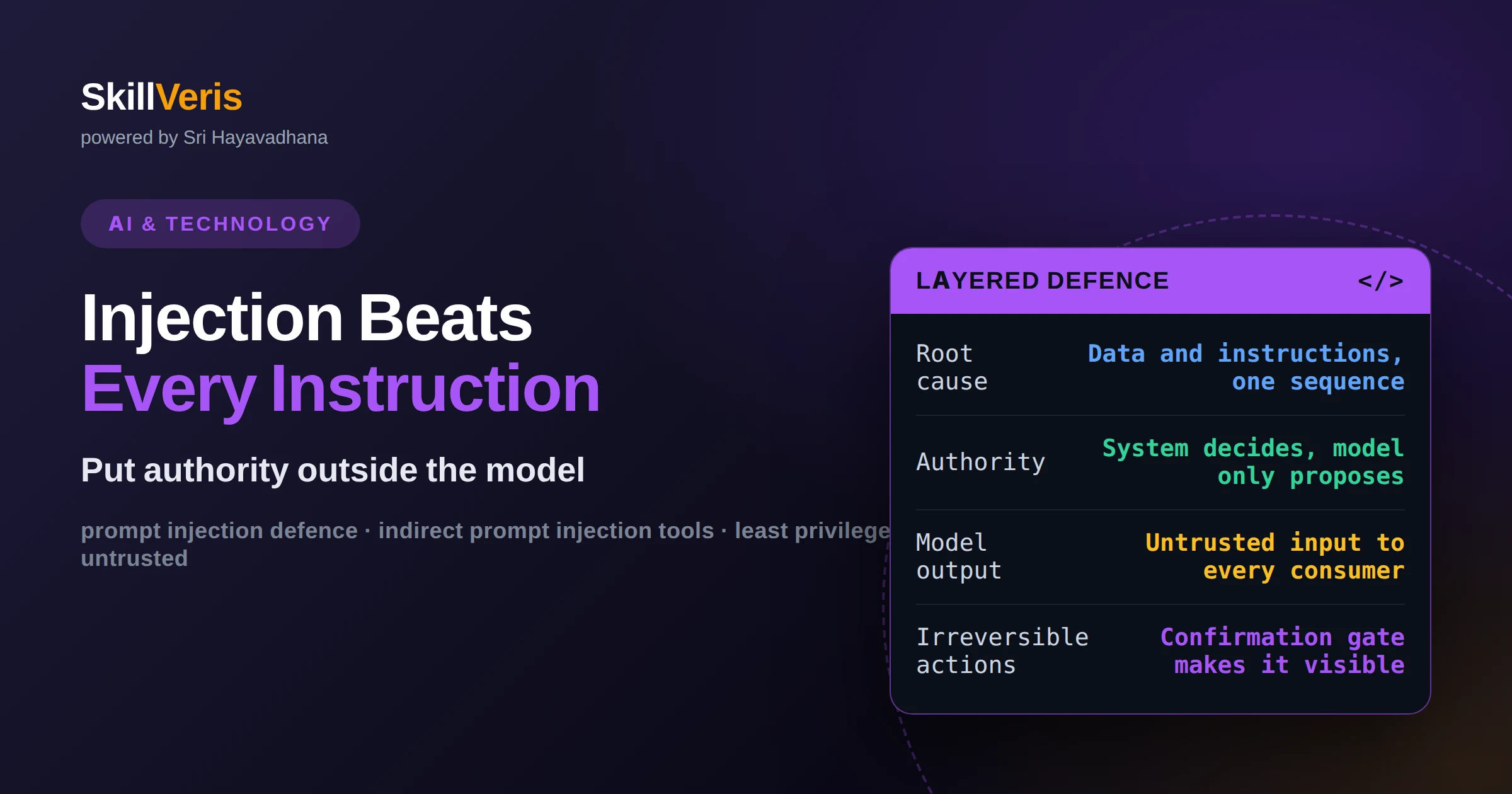
Defending LLM applications against prompt injection
Instructions cannot stop prompt injection because models cannot separate data from commands. Learn layered defences that put authority outside the model.
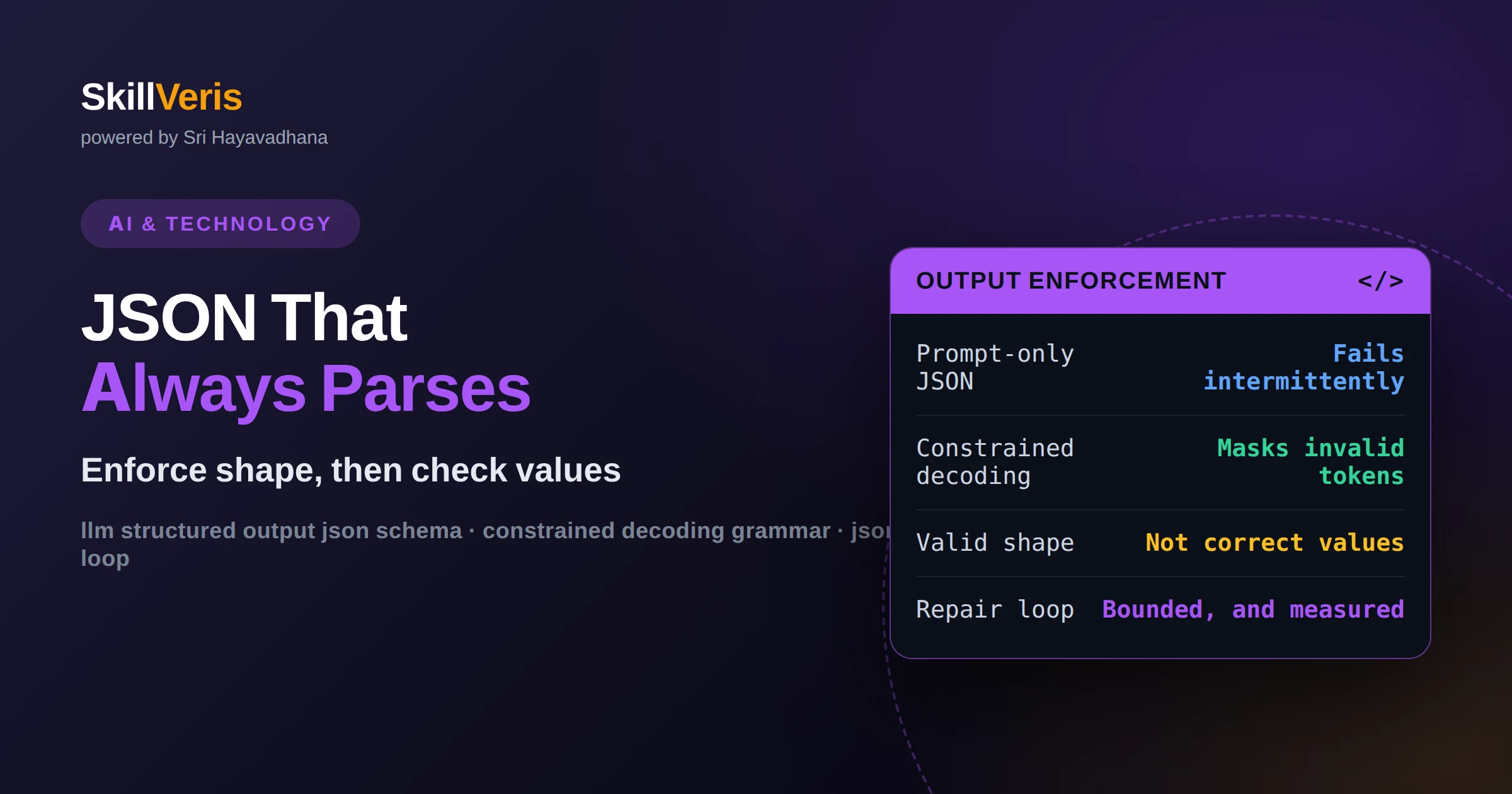
Getting reliable structured output from language models
Prompting for JSON works most of the time, and most of the time is a bug. Learn schema enforcement, constrained decoding, validation and repair that hold up.
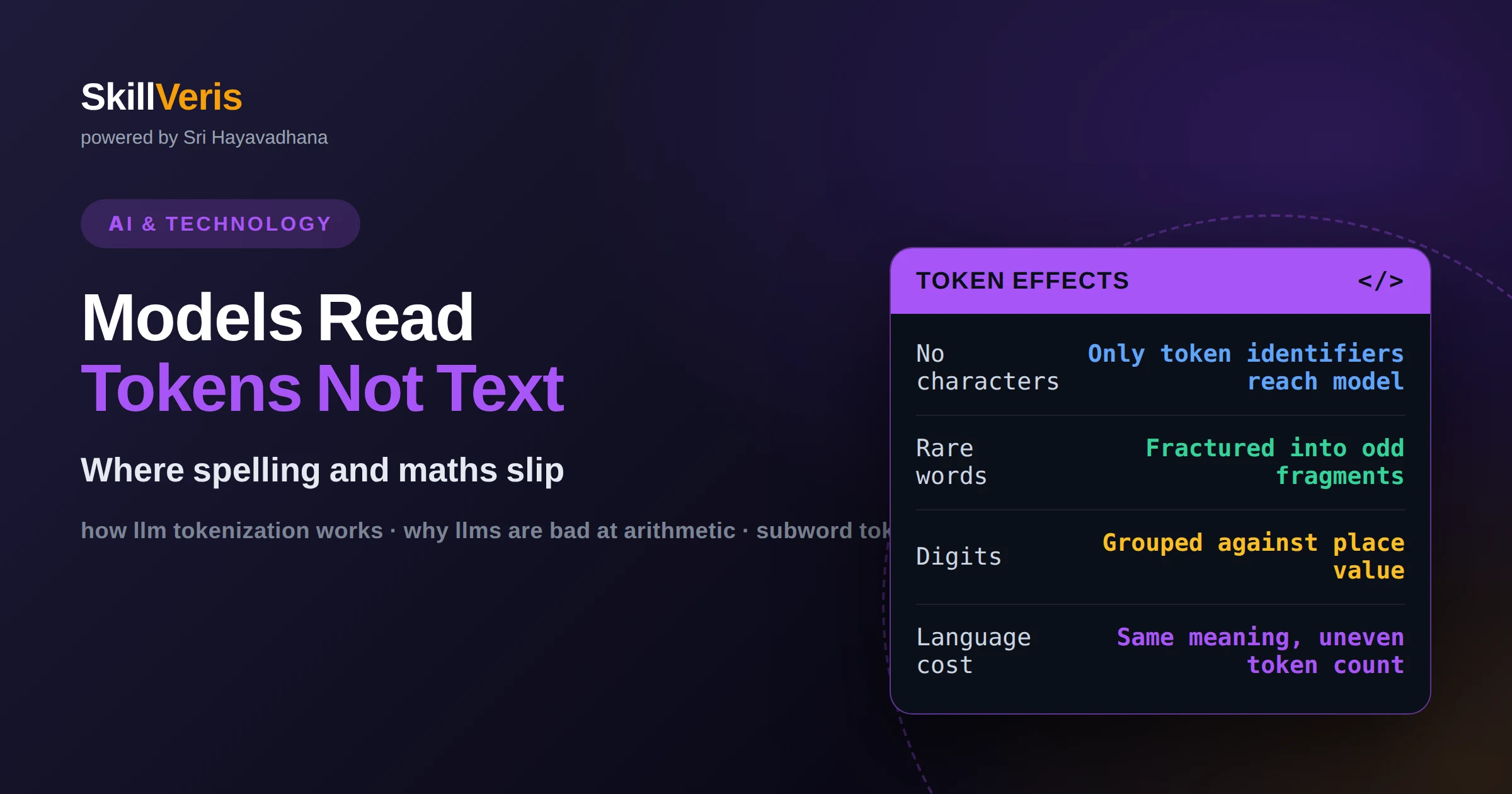
How tokenization affects model behaviour, cost and context limits
Tokenization explains arithmetic slips, mangled rare words and uneven costs across languages. Learn to inspect the token stream and design prompts around it.
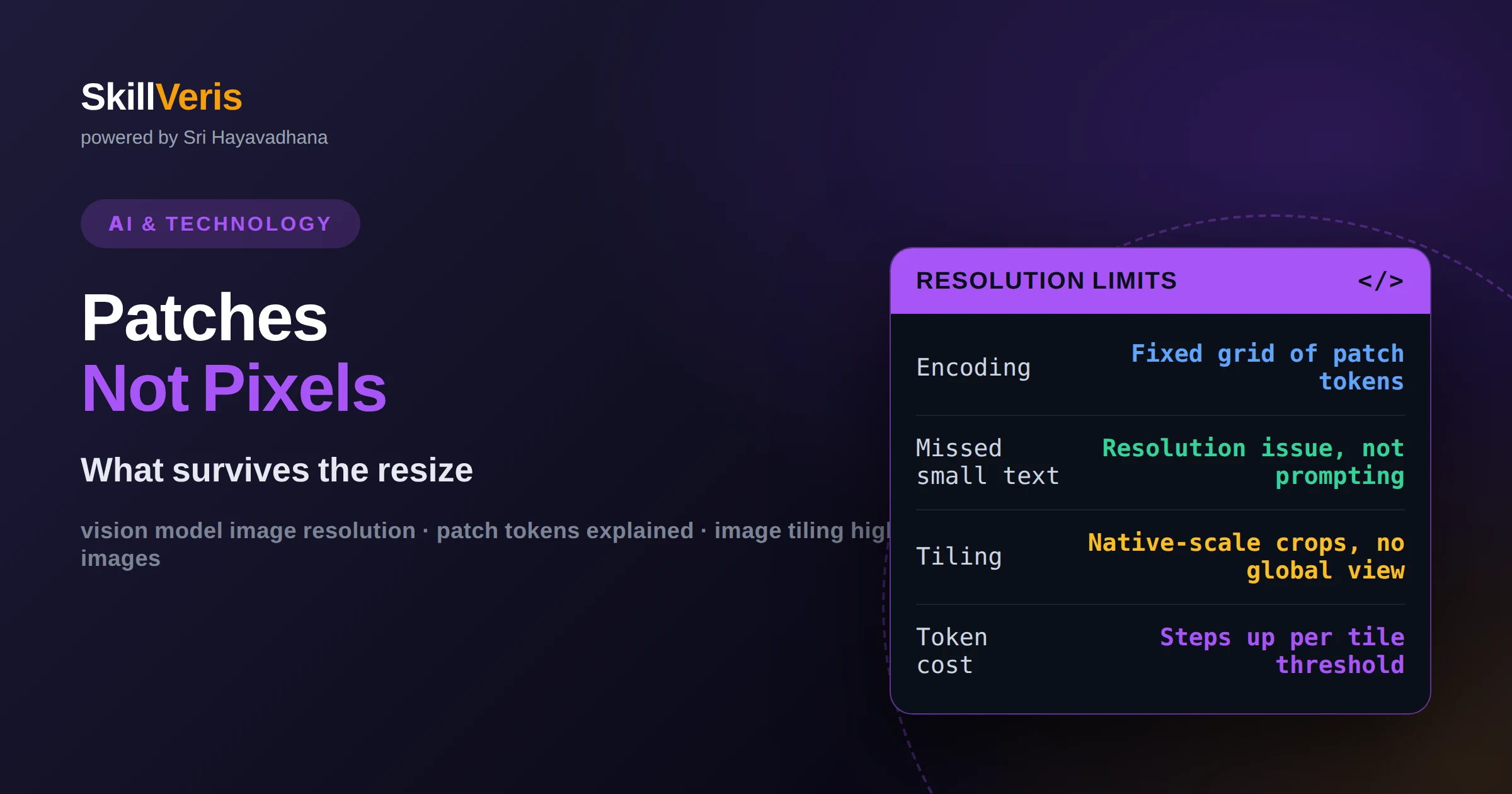
How vision models process image resolution, tiling and detail
Vision models see patch tokens, not pixels. Learn how resizing and tiling decide what detail survives, and how cropping fixes missed small text more than prompting.
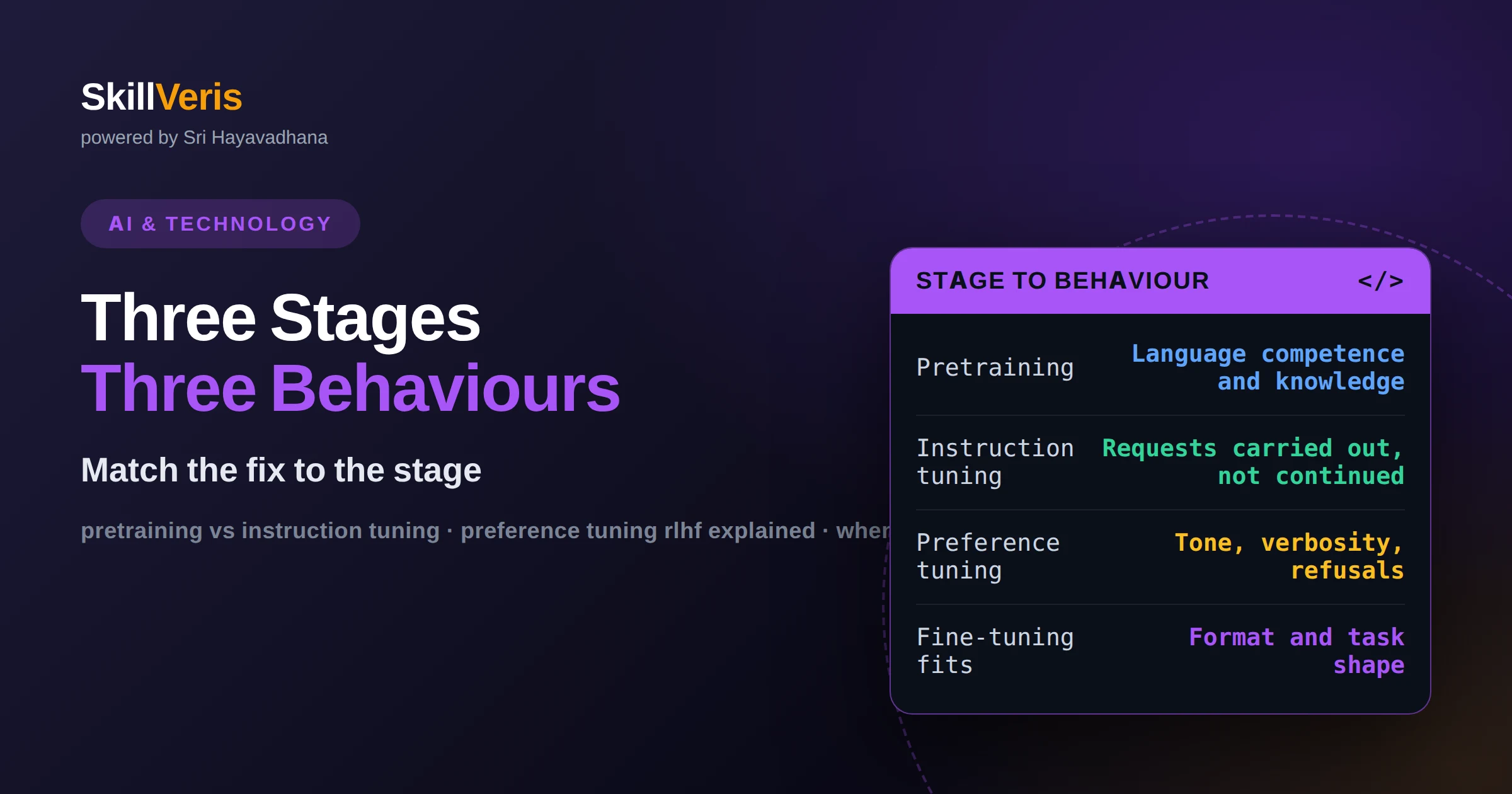
Pretraining, instruction tuning and preference tuning: what each stage adds
Each training stage installs different behaviour. Map knowledge, instruction-following, tone and refusals to their stage, and learn which ones prompting can change.
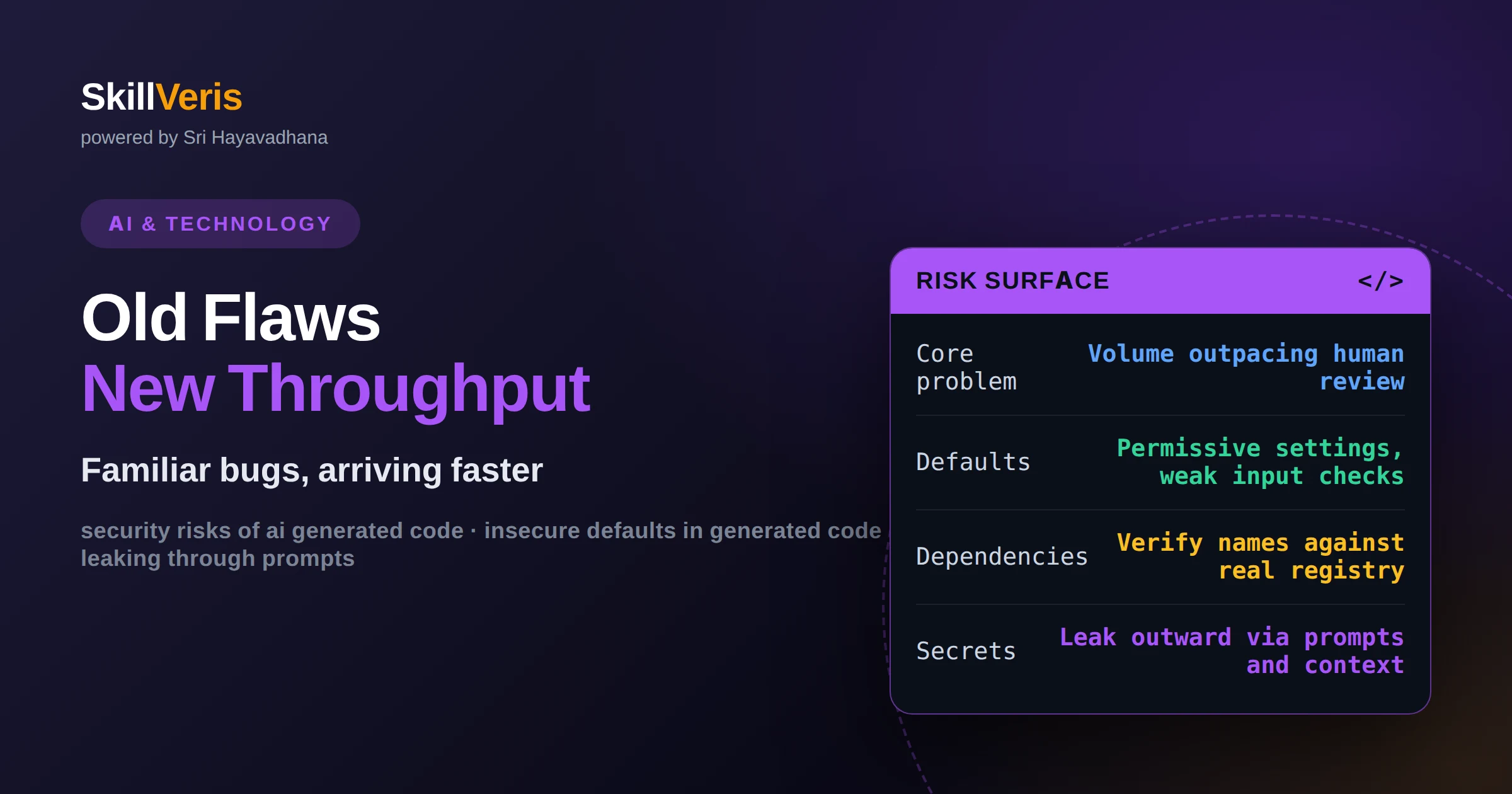
Security and licence risks in AI-generated code, and how to catch them
The risk is ordinary insecure defaults arriving faster than review. Learn the patterns to scan for, how secrets leak through prompts, and which gates to automate.
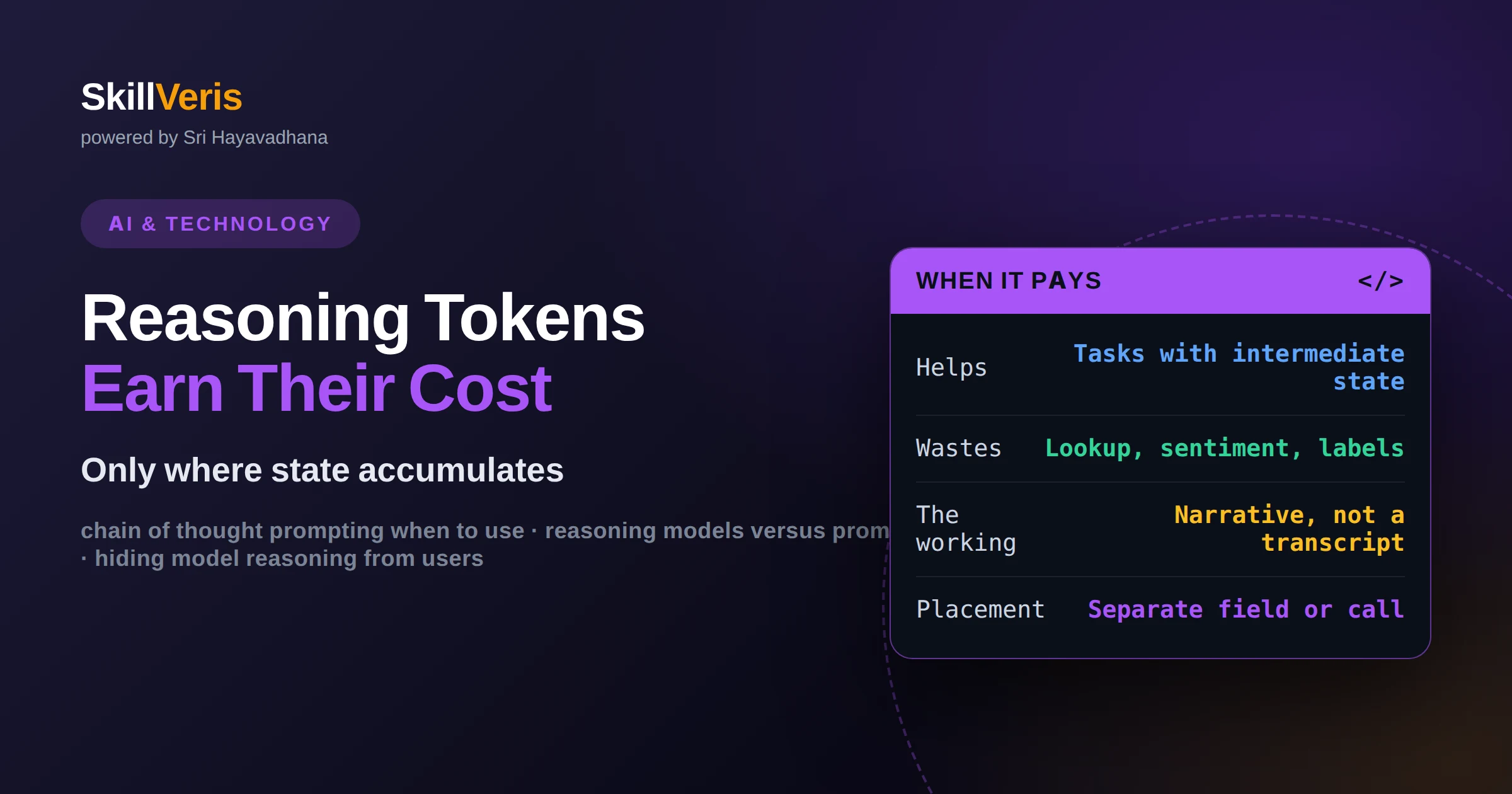
When chain-of-thought prompting helps and when it just costs tokens
Reasoning prompts help tasks with intermediate state and waste tokens elsewhere. Learn where they pay, how to hide the working, and how to measure the trade-off.
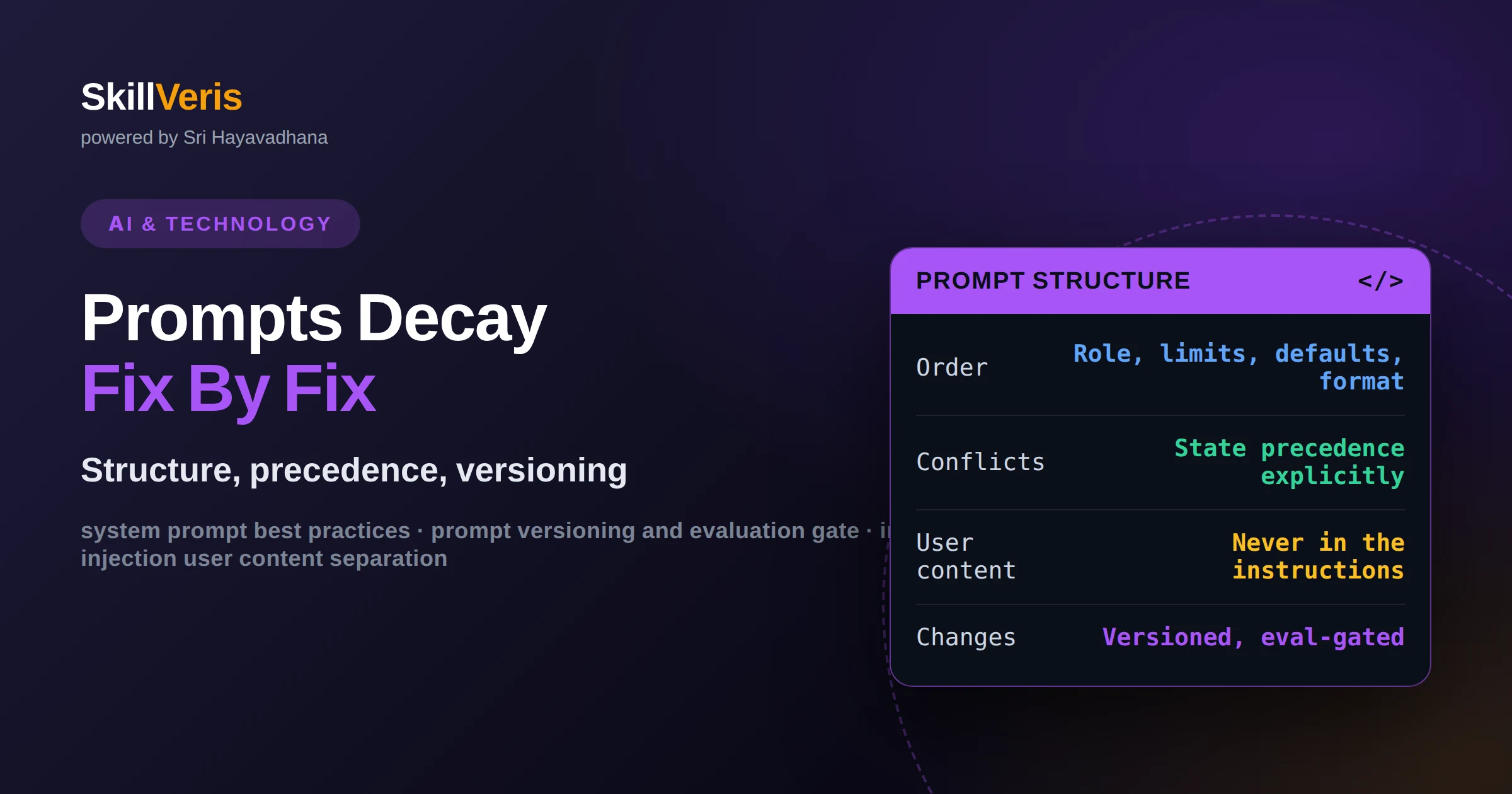
Writing system prompts that hold up as an application grows
System prompts decay as incident fixes pile up. Learn structure, precedence, conflict removal and versioning so every change can be evaluated and reverted.