#AIEthics
8 articles tagged with #AIEthics
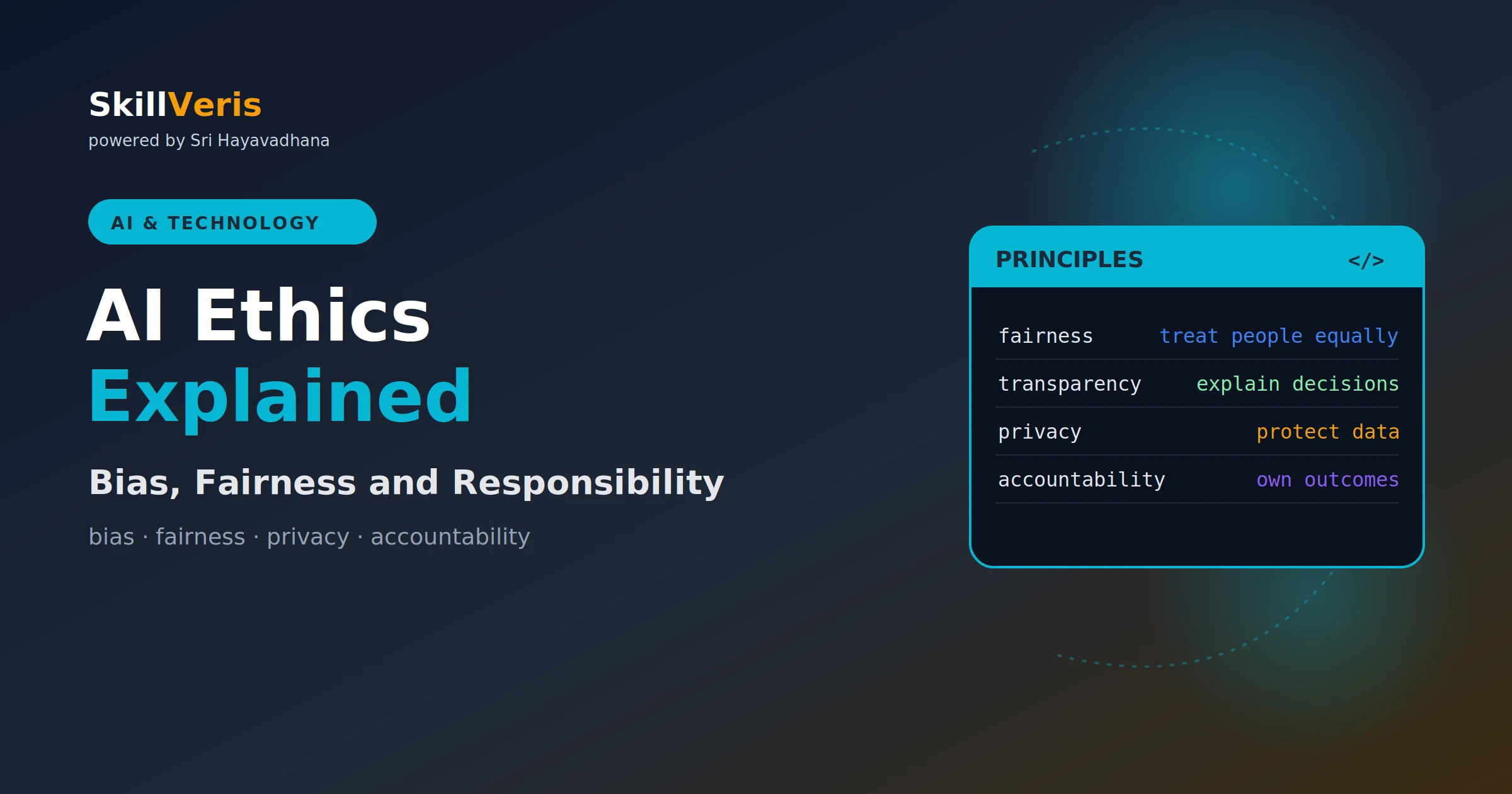
AI Ethics: Bias, Fairness and Responsibility
As AI makes more decisions affecting people, fairness, transparency, and accountability become essential.
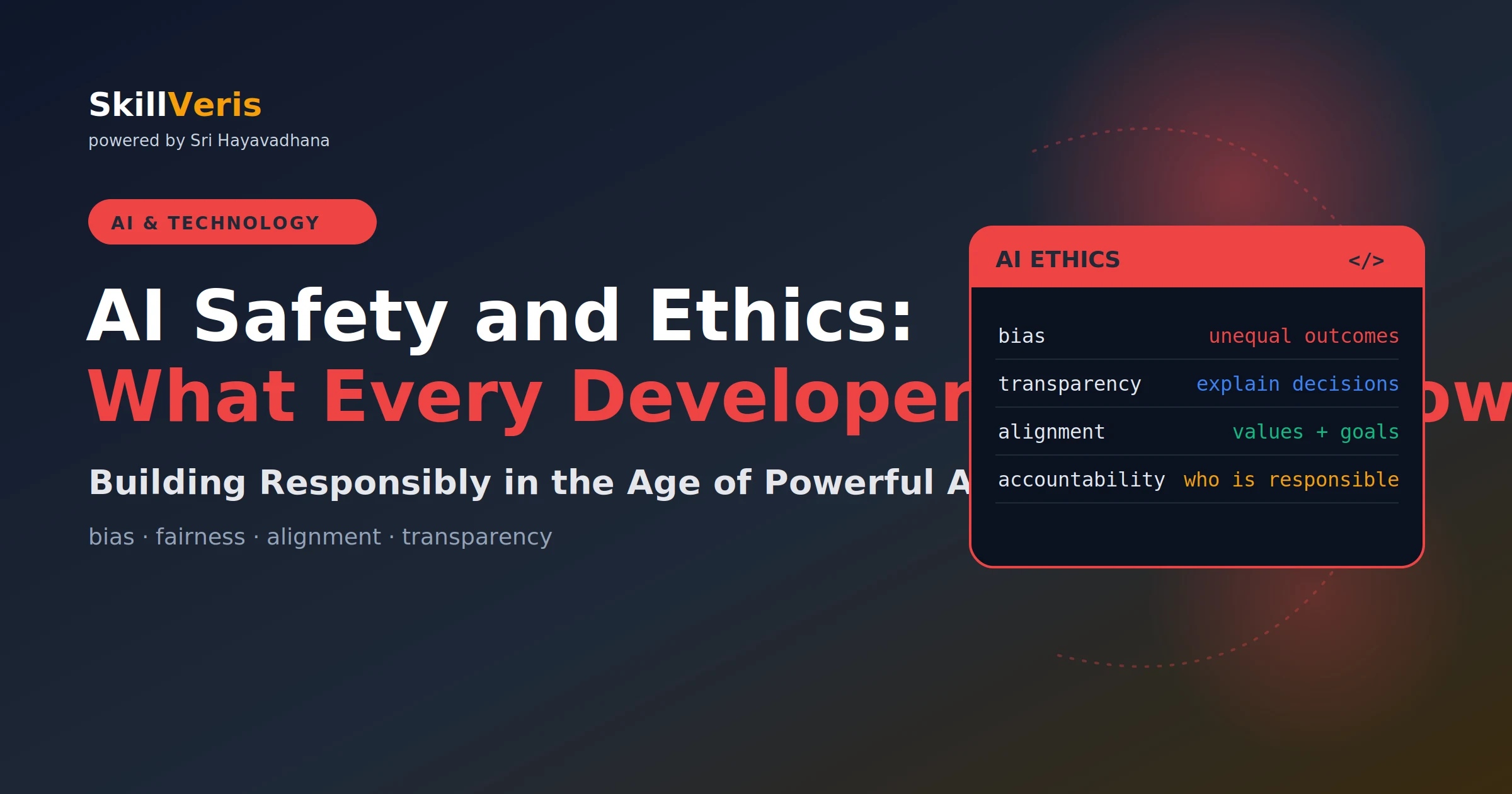
AI Safety and Ethics: What Every Developer Should Know
Every developer building AI-powered products is now making ethical decisions, whether they realise it or not. This guide covers the key concepts — bias, fairness, transparency, alignment, and accountability — and gives practical guidance for building AI responsibly.
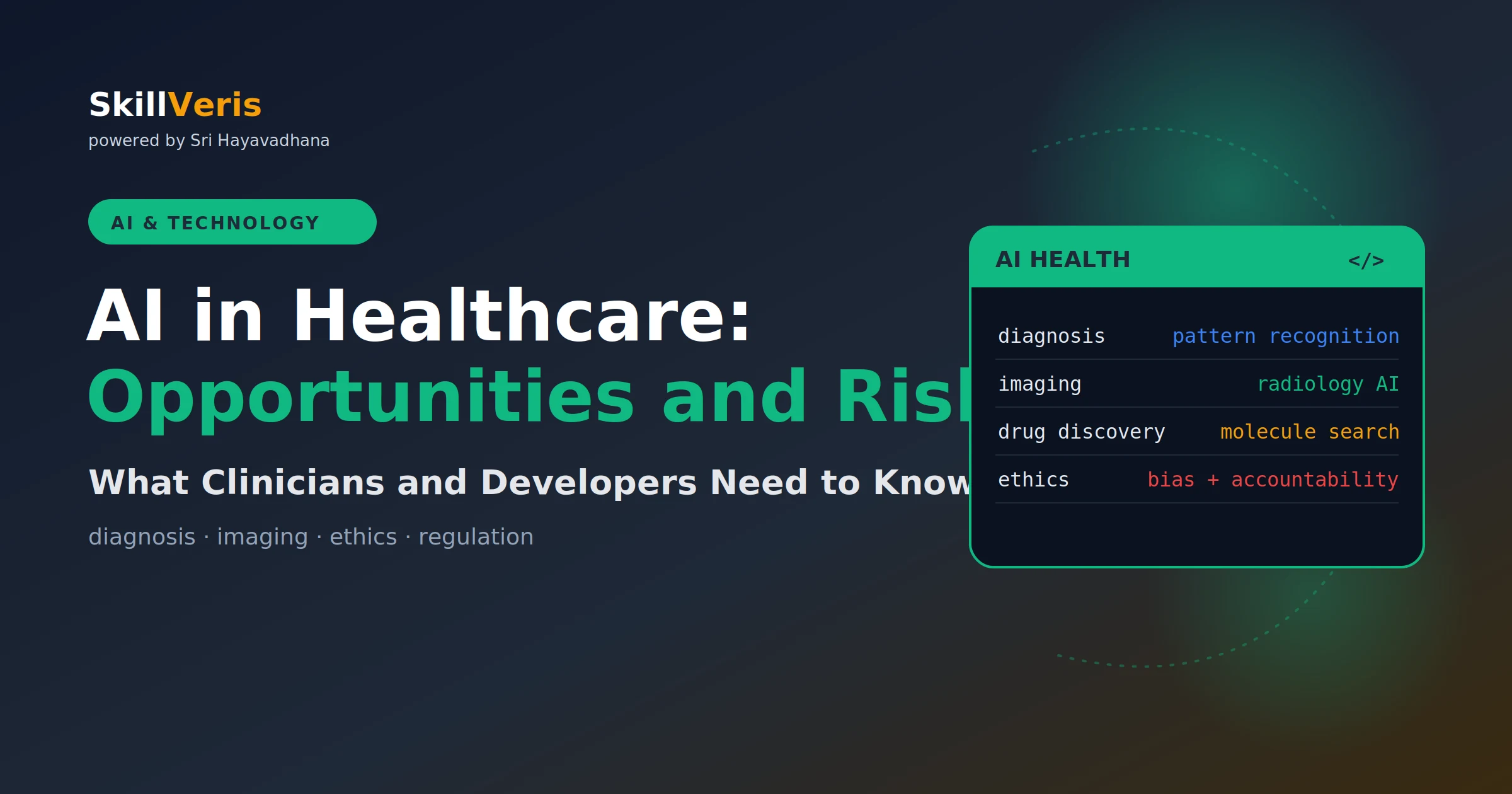
AI in Healthcare: Opportunities and Risks in 2026
AI is being used in radiology, drug discovery, clinical documentation, and patient triage — and it's raising serious questions about bias, accountability, and patient safety. This guide gives developers and healthcare professionals an honest overview of where AI helps, where it harms, and what responsible deployment looks like.
What Is Ensemble Learning: Bagging and Boosting
Ensemble learning combines many models into one stronger predictor. Bagging trains them in parallel to cut variance; boosting trains them in sequence to cut bias.
Understanding AI Bias and Fairness
Learn how AI bias creeps into models through data and design, and the practical fairness techniques responsible practitioners use to detect and reduce it.
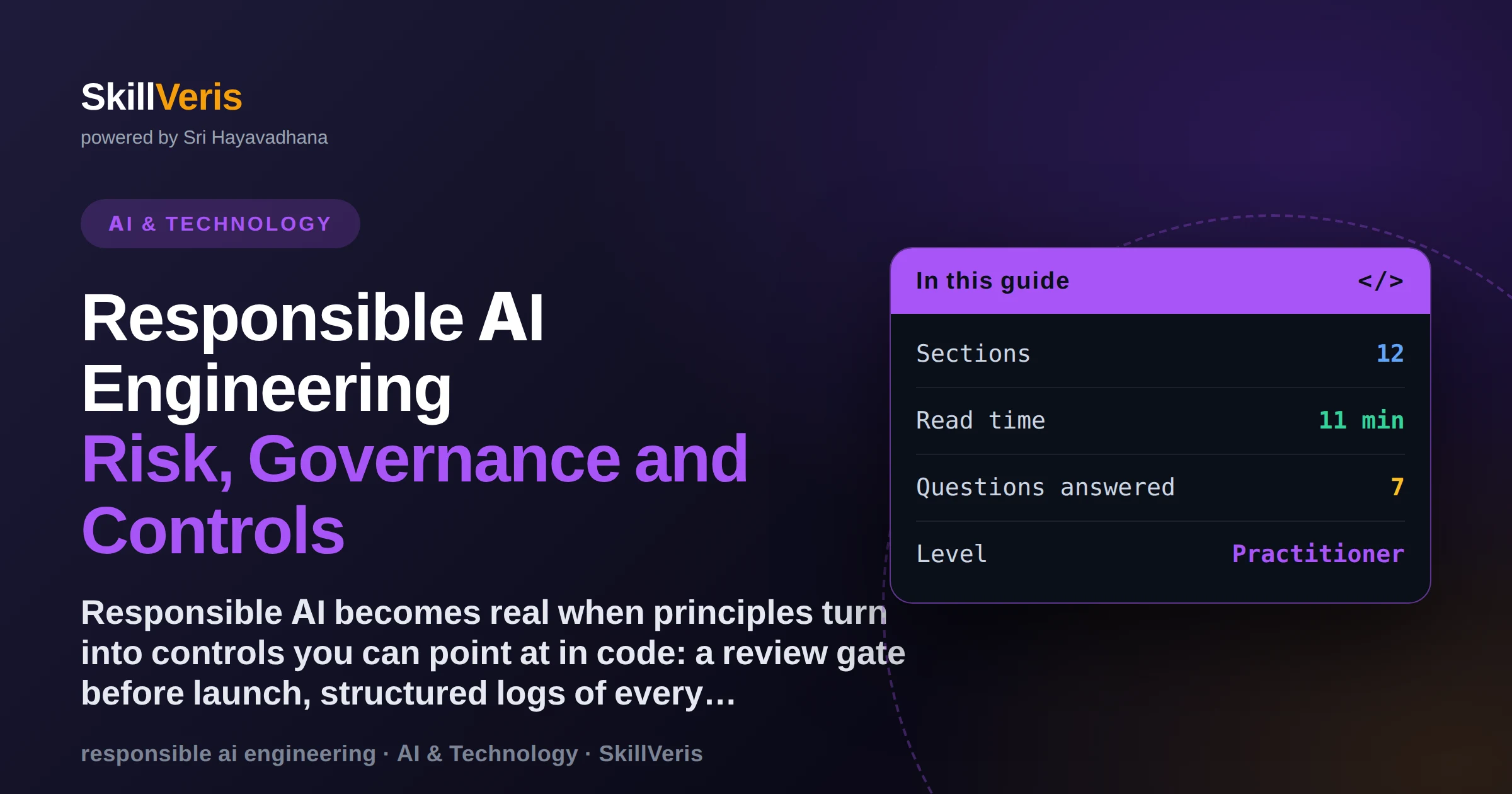
Responsible AI Engineering: Risk, Governance and Controls
Responsible AI becomes real when principles turn into controls you can point at in code: a review gate before launch, structured logs of every model call, an escalation path when output goes wrong, and one named owner per system. This article shows how to build those controls into an ordinary delivery pipeline.
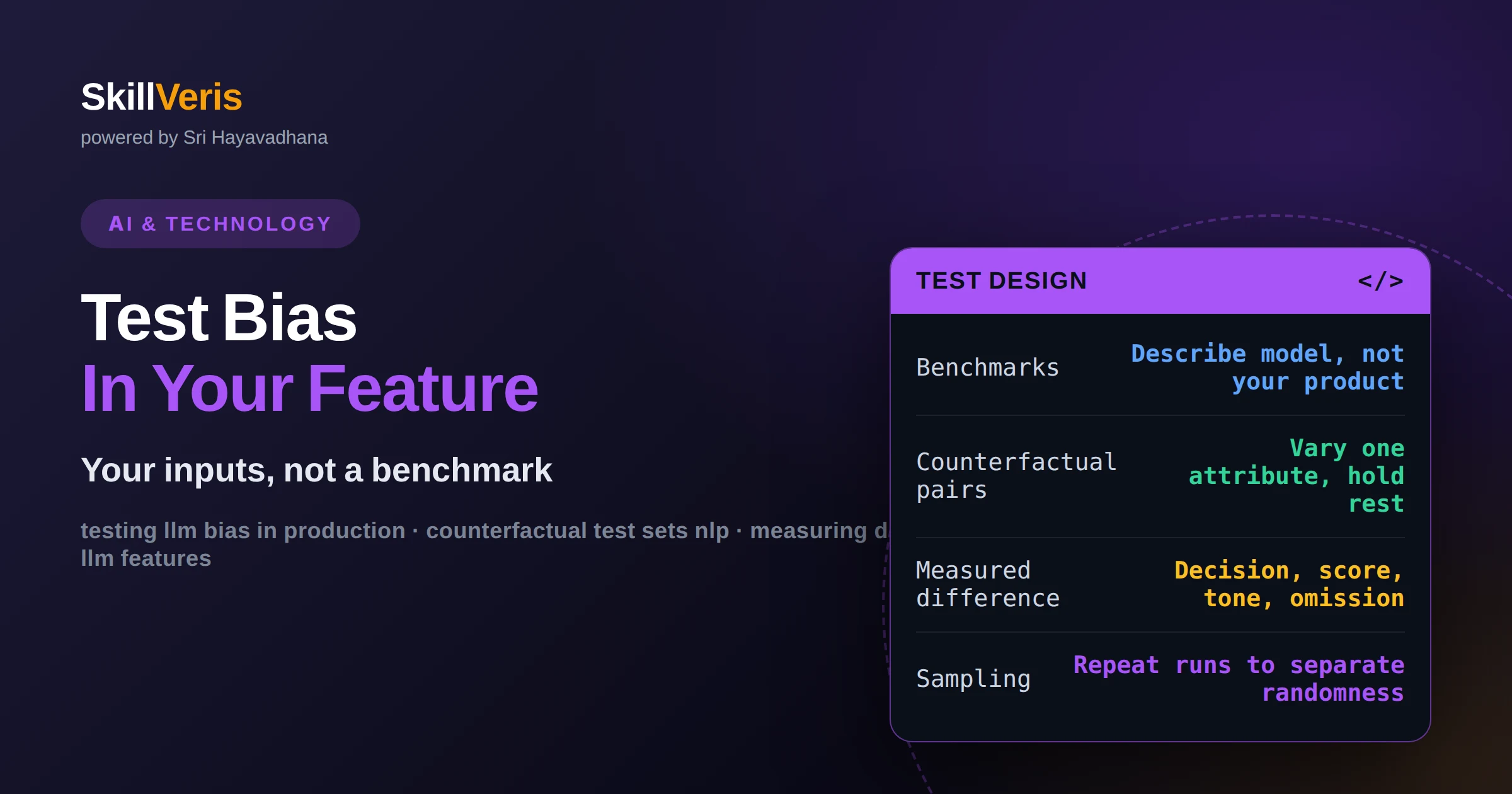
Testing language model outputs for bias in a real application
Generic bias benchmarks say little about your feature. Build counterfactual test sets from your own inputs and measure differential behaviour you can act on.
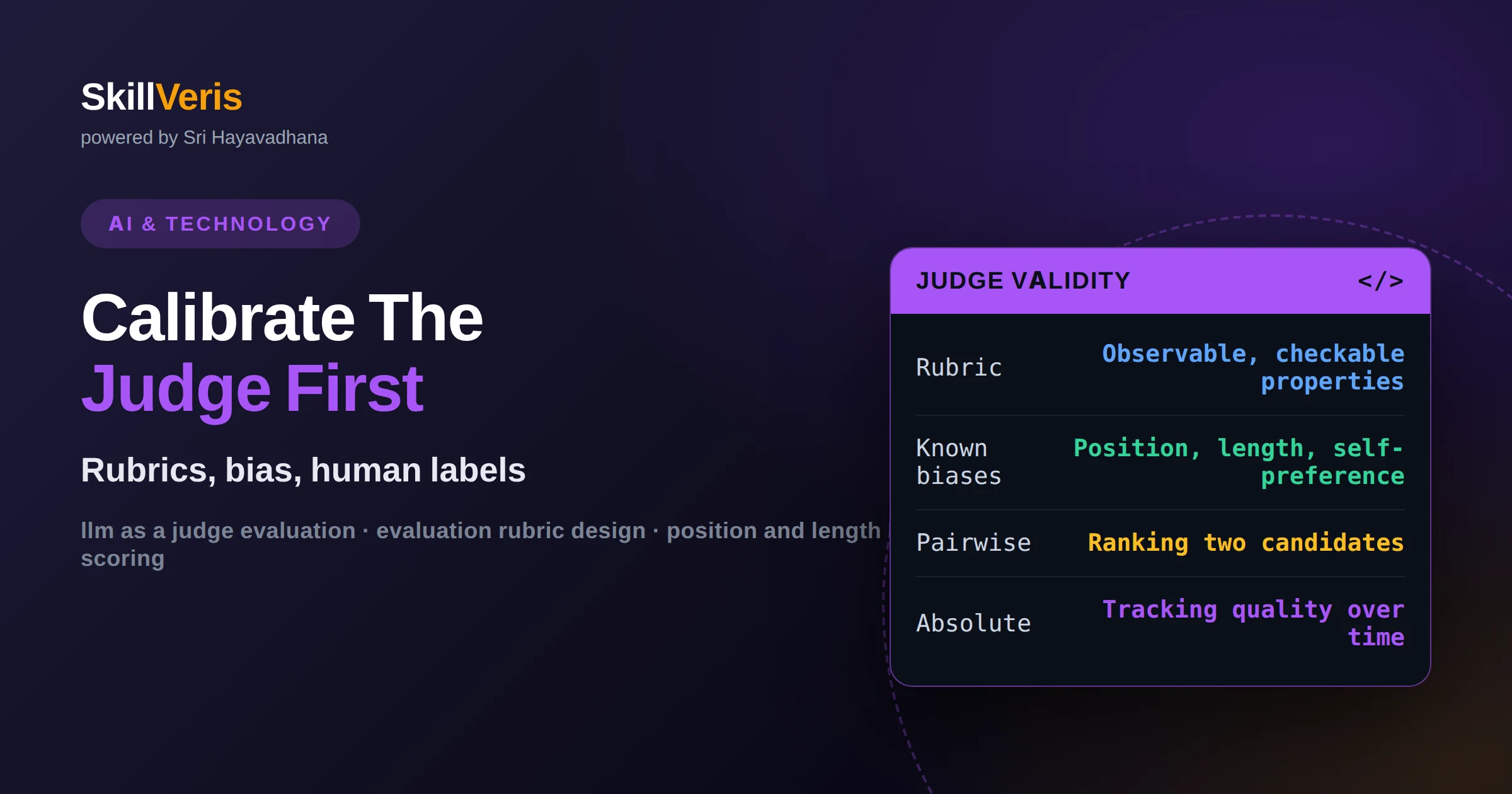
Using an LLM as a judge: rubrics, bias and validating the judge
An unvalidated judge is worse than no measurement. Learn rubric design, known judge biases, pairwise versus scalar scoring, and how to calibrate against humans.